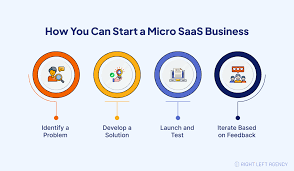
Transforming a micro-SaaS business involves strategic planning for growth. It requires understanding your users, refining your product, and executing smart marketing. This blueprint offers clear steps to guide your micro-SaaS from its early stages to a thriving venture.
You’ll gain insights into user acquisition and retention strategies.
The Micro-SaaS Transformation Blueprint
What exactly is a micro-SaaS? Think of it as a small software as a service. It solves a very specific problem.
It often serves a niche market. The goal is usually a recurring revenue stream. Many solo founders or small teams run these.
They can be incredibly powerful. But many start small and stay small. The challenge is to change that.
We want to see it grow and succeed.
Why does this transformation matter? It’s about impact. It’s also about sustainability.
A growing micro-SaaS can provide a great living. It can employ more people. It can help even more users.
It means your initial idea had legs. It means you built something valuable. This blueprint aims to unlock that potential.
You’ll learn the key stages. You’ll see how to move from one to the next. We’ll cover understanding your users deeply.
We’ll look at making your product better. We’ll talk about getting more people to find you. And keeping them happy.
It’s a journey. But one with a clear path.
My Own Micro-SaaS Story
I remember my first micro-SaaS. It was a simple tool for managing social media posts. I built it because I was tired of juggling multiple apps.
It worked for me. I thought others would love it too. I launched it quietly.
A few friends signed up. They liked it. They even paid a small monthly fee.
I felt a little thrill.
But then… nothing much happened. I checked the sign-up sheet. It was barely moving.
I kept fixing bugs. I added a few small features. Still, the numbers stayed low.
I started to feel discouraged. Was this it? Was this all my little app would ever be?
I felt a bit lost. I saw other small tools growing. What were they doing differently?
I realized I was stuck. I was just maintaining, not growing. That feeling of being stuck was the push I needed.
Starting Point: The “Solitary Tool” Phase
What it is: A micro-SaaS that effectively solves one specific problem for a small group of users. It’s functional but might lack wider appeal or advanced features.
Common Traits:
- Limited marketing efforts.
- Focus on bug fixes over new features.
- Small, loyal user base.
- Founder often wears all hats.
- Revenue is steady but not growing rapidly.
Understanding Your Users: The Foundation
Before you can transform anything, you must know who you’re transforming it for. Who are your ideal users? What are their biggest pain points?
This isn’t about guessing. It’s about digging deep. Talk to your current users.
Send them surveys. Watch how they use your tool. Every piece of feedback is gold.
What does your micro-SaaS really do for them? Does it save them time? Does it make them money?
Does it reduce stress? Identify the core value. This core value is what you’ll build on.
It’s the heart of your transformation.
Think about their daily work. What tools do they use alongside yours? What frustrates them about their current workflow?
Your micro-SaaS might be one small piece of a larger puzzle. Understanding the whole puzzle helps you make your piece better. Or even expand it.
User Insight Deep Dive
Action: Conduct 5-10 user interviews.
Focus: Ask open-ended questions about their workflow, challenges, and how they use your tool.
Key Questions:
- “Walk me through how you currently handle .”
- “What is the most time-consuming part of that process?”
- “If you had a magic wand, what would improve about ?”
Analysis: Look for recurring themes and pain points. These are your transformation opportunities.
Product Refinement: Beyond the Minimum
Many micro-SaaS tools start as “minimum viable products.” That’s great for launching. But for transformation, you need more. You need to build upon that solid base.
This means adding features that users actually want and need.
Don’t add features just because you can. Add features that directly address the pain points you uncovered. If users are struggling with a specific step in their workflow, your new feature should solve that step.
This makes your tool indispensable.
Consider the user experience (UX). Is your tool easy to use? Is it intuitive?
A clunky interface can turn users away, no matter how powerful the tool is. Streamlining the UX is often a low-effort, high-impact transformation. Make it smooth.
Make it pleasant.
Sometimes, transformation means expanding the scope slightly. If your tool manages social media posts, maybe it can also analyze post performance. This adds more value.
It keeps users within your ecosystem. It makes your offering more robust.
Growth Engine: Getting More Users
Once your product is stronger and your user understanding is deeper, it’s time to grow. This is where many micro-SaaS businesses stall. They don’t have a clear strategy for attracting new users.
We need to build a growth engine.
Content Marketing: Start a blog. Write articles that help your target audience. Share your expertise.
Use your blog to explain the problems your tool solves. This attracts people searching for solutions. It positions you as an authority.
It brings organic traffic.
Search Engine Optimization (SEO): Make sure people can find you when they search online. Use keywords related to the problems you solve. Optimize your website.
This is a long-term strategy but yields great results. Micro-SaaS growth is often fueled by organic search.
Paid Advertising: Consider targeted ads on platforms like Google or social media. Start small. Test different ad creatives and audiences.
Track your return on investment (ROI). If ads are bringing in more revenue than they cost, they are a valuable growth engine.
Partnerships and Affiliates: Connect with other businesses or influencers in your niche. Offer them a commission for referring new customers. This can be a very cost-effective way to expand your reach.
Look for complementary services. They might have a similar audience.
Growth Channel Quick Scan
Channel: Content Marketing
Focus: Blog posts, guides, tutorials.
Goal: Attract organic traffic, build authority.
Metric: Website traffic, lead generation.
Channel: SEO
Focus: Keyword research, on-page optimization, link building.
Goal: Rank higher in search results.
Metric: Search engine rankings, organic traffic.
Channel: Paid Ads
Focus: Google Ads, Social Media Ads.
Goal: Drive targeted traffic and sign-ups.
Metric: Cost per acquisition (CPA), conversion rate.
Retention: Keeping Your Users Happy
It’s often said that it’s cheaper to keep an existing customer than to acquire a new one. This is especially true for SaaS businesses. A high churn rate can kill a micro-SaaS.
We need to focus on keeping users engaged and satisfied.
Excellent Customer Support: Be responsive. Be helpful. When users have a problem, they want a quick and effective solution.
Good support builds loyalty. It turns users into advocates. Even if it’s just you, set up a system to handle support requests promptly.
This is a key part of micro-SaaS transformation.
Regular Updates and Communication: Keep users informed about new features or improvements. Send out newsletters. Announce updates within the app.
Show them you are actively developing the tool. This makes them feel valued.
Community Building: If possible, create a space for your users to connect. This could be a forum, a Slack group, or a Facebook group. Users can help each other.
They can share best practices. This fosters a sense of belonging. It strengthens their ties to your product.
Feedback Loops: Make it easy for users to give feedback. Act on that feedback. Show users that their opinions matter.
When users feel heard, they are more likely to stay. They become invested in the product’s success.
Monetization Strategies: Beyond the Basic
Most micro-SaaS businesses start with a simple subscription model. That’s a good start. But to transform, you might need to think beyond the basic recurring fee.
Are there other ways to generate revenue or increase customer lifetime value?
Tiered Pricing: Offer different plans based on features or usage. A basic plan for individuals. A more advanced plan for teams.
This caters to different user needs and budgets. It also upsells users to higher revenue tiers.
Add-ons and Integrations: Can you offer premium add-on features? Or charge for integrations with other popular tools? These can be separate revenue streams.
They add value for users who need more.
Freemium Models: Offer a free version of your tool with limited features. This can attract a large user base. Some of these users will eventually upgrade to a paid plan.
This requires careful planning to ensure the free tier doesn’t cannibalize paid sales.
Consulting or Services: If your micro-SaaS is complex or serves a specialized niche, you might offer consulting services. Help users get the most out of your tool. This can be a high-margin revenue source.
It also provides invaluable feedback.
Pricing Tiers Example
Starter Plan
- Price: $19/month
- Features: Core functionality, 1 user, limited support.
- Target: Individual users, freelancers.
Pro Plan
- Price: $49/month
- Features: All Starter features, 5 users, priority support, advanced reporting.
- Target: Small teams, agencies.
Business Plan
- Price: $99/month
- Features: All Pro features, unlimited users, dedicated account manager, custom integrations.
- Target: Growing businesses, enterprises.
Building a Team: When You Can’t Do It All
As a micro-SaaS grows, the solo founder model becomes unsustainable. You can’t handle product development, marketing, sales, and support alone forever. Recognizing when you need help is crucial for transformation.
Identify Bottlenecks: What tasks take up the most of your time? What areas are you not good at? These are the areas where you need help first.
It might be customer support or marketing.
Freelancers and Contractors: For specific tasks, hiring freelancers is a great starting point. You can find help for graphic design, writing, or coding. This is flexible and cost-effective initially.
Hiring Employees: When you have consistent needs and a stable revenue stream, consider hiring full-time employees. This brings dedicated talent to your team. It fosters a stronger company culture.
Start with roles that directly support growth.
Delegation and Trust: Learning to delegate is key. Trust your team. Give them ownership.
This frees you up to focus on the strategic vision for your micro-SaaS. This is a major step in scaling.
The Data-Driven Transformation
Guessing is not a strategy. To transform your micro-SaaS effectively, you need to track and analyze data. Data tells you what’s working and what’s not.
It guides your decisions.
Key Metrics to Track:
- Monthly Recurring Revenue (MRR): Your predictable income each month.
- Customer Acquisition Cost (CAC): How much it costs to get a new customer.
- Customer Lifetime Value (CLV): The total revenue you expect from a customer over time.
- Churn Rate: The percentage of customers who stop using your service.
- Conversion Rates: From visitor to sign-up, and sign-up to paid customer.
- User Engagement: How often and how deeply users interact with your product.
Tools for Tracking: Google Analytics, Mixpanel, Amplitude, your payment processor’s reports, and in-app analytics. Regularly review these metrics. Look for trends.
Make adjustments based on what the data tells you. This is how SaaS business growth is sustained.
Core SaaS Metrics Explained
Metric: MRR (Monthly Recurring Revenue)
What it is: The predictable revenue a business expects to earn each month from its subscription services.
Why it matters: It’s the most important indicator of a SaaS business’s financial health and growth trajectory.
Metric: CAC (Customer Acquisition Cost)
What it is: The total cost of sales and marketing efforts needed to acquire a new customer.
Why it matters: You need to ensure your CLV is significantly higher than your CAC for profitability.
Metric: Churn Rate
What it is: The percentage of customers who stop using a service during a given period.
Why it matters: High churn erodes revenue and indicates problems with product or customer satisfaction.
Scaling Your Infrastructure
As your user base grows, so does the demand on your technical infrastructure. What worked for 100 users might not work for 10,000. You need to plan for scalability.
Cloud Hosting: Use cloud providers like AWS, Google Cloud, or Azure. They allow you to easily scale your resources up or down as needed. This is much more flexible than traditional hosting.
Database Optimization: Ensure your database can handle increasing loads. Regular maintenance and indexing are important. Consider database scaling strategies as you grow.
Code Efficiency: Write clean, efficient code. This reduces the strain on your servers. It makes your application faster and more reliable for all users.
Monitoring: Implement robust monitoring tools. These alert you to performance issues before they impact users. Quick detection and resolution are vital for a smooth user experience.
The Long Game: Sustained Growth
Transforming a micro-SaaS isn’t a one-time event. It’s an ongoing process. The market changes.
User needs evolve. Your competition adapts. You must too.
Continuous Improvement: Always be looking for ways to make your product better. Solicit feedback. Release updates.
Stay ahead of the curve. Your users will appreciate it.
Adaptability: Be willing to pivot if necessary. If user feedback or market trends suggest a new direction, be brave enough to explore it. Sticking rigidly to an old plan can be fatal.
Focus on Vision: Keep your long-term vision in mind. Where do you want your micro-SaaS to be in 5 years? Let that vision guide your strategic decisions.
This is about building something lasting.
Celebrate Milestones: Acknowledge your progress. Celebrate wins, big and small. This keeps you and your team motivated.
It reinforces the value of the transformation journey.
Common Pitfalls to Avoid
During this transformation, it’s easy to stumble. Knowing these common mistakes can help you sidestep them.
Ignoring User Feedback: This is perhaps the biggest mistake. If users are telling you something, listen. They are the ones using your product daily.
Chasing Shiny Objects: Don’t jump on every new trend or feature idea without research. Stick to your core value and user needs.
Under-pricing: If you’ve added significant value, make sure your pricing reflects it. Don’t be afraid to charge what your product is worth.
Premature Scaling: Trying to scale too fast before your product or systems are ready can lead to disaster. Grow at a sustainable pace.
Neglecting Marketing: A great product won’t sell itself. Consistent marketing efforts are essential for growth.
Myth vs. Reality in Micro-SaaS Growth
Myth: A micro-SaaS is meant to stay small forever.
Reality: While many start small, with the right strategy, micro-SaaS can achieve significant growth and impact.
Myth: You need a huge marketing budget to grow.
Reality: Smart, targeted marketing (like content and SEO) can be highly effective even with limited funds.
Myth: Building new features is always the best way to grow.
Reality: Often, improving existing features, user experience, and customer support can drive more growth.
When is it Time to Consider Transformation?
You might be reading this and wondering if this applies to you. Here are some signs that your micro-SaaS is ready for a transformation:
- Stagnant Growth: Your user numbers and revenue have plateaued.
- User Requests for More: Customers are asking for features or capabilities beyond your current offering.
- Market Opportunities: You see gaps in the market that your tool could fill with some adjustments.
- Personal Burnout: You’re doing everything and feeling overwhelmed, unable to scale effectively alone.
- Desire for Greater Impact: You want your tool to help more people or solve bigger problems.
These are all indicators that it’s time to actively plan and execute a transformation. It’s not just about survival; it’s about thriving.
Frequently Asked Questions
What is the most important first step in transforming a micro-SaaS?
The most important first step is to deeply understand your current users and their core problems. This insight will guide all subsequent decisions about product development, marketing, and growth.
How can I improve user retention for my micro-SaaS?
Focus on excellent customer support, regular communication about updates and improvements, fostering a user community, and actively seeking and acting on user feedback. Showing users you value them is key.
When should I consider hiring my first employee for my micro-SaaS?
You should consider hiring when you identify consistent bottlenecks that are hindering growth, when you can no longer manage essential tasks effectively yourself, and when your revenue supports the cost of an employee.
Is it better to focus on new features or improving existing ones for growth?
It often depends on your users’ needs. If users are requesting specific new features that align with your core value, pursue those. However, improving the user experience and reliability of existing features can also drive significant growth and retention.
How much should I invest in marketing for a micro-SaaS?
Start by investing time in understanding your target audience and where they spend their time online. Focus on cost-effective channels like content marketing and SEO. Gradually increase your investment in paid channels as you see a positive ROI.
What if my micro-SaaS is too niche to grow significantly?
Even niche markets can grow. Explore adjacent niches, expand your feature set to solve more related problems for your existing audience, or look for opportunities to integrate with other tools used in your niche.
Final Thoughts
Transforming your micro-SaaS from a small tool to a growing business is a marathon, not a sprint. It requires patience, strategic thinking, and a genuine desire to serve your users. By focusing on understanding your audience, refining your product, and building smart growth engines, you can unlock significant potential.
This blueprint is your guide. Start small, stay consistent, and build something great.