Blog

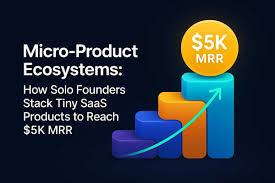
  • Scale Micro-Saas Business Blueprint  Website 5K Month

    Scale Micro-Saas Business Blueprint Website 5K Month

    Scaling a micro-SaaS business to $5k per month involves understanding your core value, reaching more of the right people, and keeping them happy. It requires smart marketing, good customer service, and consistent product improvement. This guide shows you how to do it step by step.

    What is SaaS Scaling?

    Scaling a SaaS business means growing your revenue. It also means growing your user base. But you want to do this without your costs growing just as fast.

    Think of it like a small garden. First, you get a few plants to grow well. Scaling is like adding more garden beds.

    You want more plants, more flowers, more fruit. But you don’t want to spend all day watering every single leaf. You want systems that help things grow more easily.

    For micro-SaaS, this often means getting more customers. It also means making sure your current customers stick around. Happy customers pay longer.

    They also tell others. This is key. You want your business to grow without you being the bottleneck.

    Your time is precious. Scaling means your business can handle more without breaking.

    It’s about building processes. These processes help you serve more people. They help you make more money.

    And they do it without needing you to do everything yourself. This takes careful planning. It also takes smart choices about what to focus on.

    We’re aiming for steady, reliable growth.

    My Own Scaling Stumbles

    I remember the early days of my first micro-SaaS. It was a simple tool for writers. It helped them track their word counts and deadlines.

    It was functional. People liked it. I was thrilled when I hit $1,000 a month.

    I thought, “Great! Now I can just relax a bit.” But then the requests started. People wanted more features.

    Others had trouble with the setup. My inbox was full. I felt like I was drowning in emails.

    I was spending all my time answering support questions. I had no time to think about how to get new customers. I was just reacting.

    My excitement faded into exhaustion. I almost gave up. That’s when I realized I had to change my approach.

    I was doing everything myself. I was the product, the marketer, and the support team. This wasn’t scalable.

    I needed to find a better way to serve more people without losing my mind.

    Understanding Your Core Value

    Before you can scale, know what makes your SaaS special. What problem does it solve best? What do your happy customers love most?

    Focus on this. Don’t try to be everything to everyone. Your niche is your strength.

    Finding Your Ideal Customer

    Who is this $5k/month goal for? It’s for people who truly need what you offer. It’s not for everyone.

    Trying to sell to everybody is a waste of time. And money. You need to know your ideal customer.

    Think about their job. What are their daily challenges? What tools do they already use?

    What are they struggling with that your SaaS can fix?

    For my writing tool, I learned my best users were freelance writers. They worked from home. They juggled many clients.

    They needed to stay organized. They didn’t have a big team helping them. They valued tools that saved them time.

    They were also willing to pay for solutions that made their work easier. This became my focus. I started talking to these writers more.

    I went where they hung out online.

    Knowing your ideal customer helps you in many ways. It guides your marketing. It helps you create better features.

    It makes your support more effective. You speak their language. You understand their pain points.

    This makes your marketing messages hit home. It also means you attract customers who are a good fit. They are more likely to stay long-term.

    When you know your target audience, you can stop shouting into the void. You can have focused conversations. These conversations lead to loyal users.

    And loyal users are the bedrock of a scalable business. They provide predictable income. They also offer valuable feedback.

    Audience Focus: A Quick Scan

    • Demographics: Age, location, job title.
    • Psychographics: Goals, values, interests.
    • Pain Points: What keeps them up at night?
    • Software Usage: What tools do they use now?
    • Information Sources: Where do they learn?

    Smart Marketing Strategies for Growth

    Once you know who you’re talking to, you need to reach them. This is where marketing comes in. For micro-SaaS, you don’t need a huge, complex marketing department.

    You need smart, targeted efforts. One effective way is content marketing. You create useful articles, guides, or videos.

    These help your ideal customers. They also show your expertise.

    My writing tool started getting more users when I wrote blog posts. I wrote about common writing problems. I shared tips for meeting deadlines.

    I showed how my tool could help solve these specific issues. People searching for those problems found my content. They then discovered my tool.

    This brought in users who already understood the value.

    Another great strategy is SEO. This means making your website show up higher in search results. When people search for terms related to your SaaS, you want to be seen.

    This often means using keywords. It also means having good quality content. Google likes helpful content.

    It rewards sites that provide value to users.

    Email marketing is also vital. Build an email list. Offer something valuable in exchange for an email address, like a free guide or a checklist.

    Then, send regular emails. Share tips. Announce new features.

    Keep your audience engaged. This builds a relationship. It keeps your SaaS top of mind.

    It’s much easier to sell to someone who already trusts you.

    Social media can work, but be selective. Don’t try to be on every platform. Go where your ideal customers spend their time.

    LinkedIn can be great for B2B SaaS. Twitter might work for tech-focused audiences. Focus your energy where it has the most impact.

    Don’t spread yourself too thin.

    Think about partnerships too. Are there other businesses that serve your audience but don’t compete? You could do guest posts for each other.

    Or co-host a webinar. This exposes your SaaS to a new, relevant audience. It’s a win-win situation.

    Content & SEO Quick Wins

    • Blog About Problems: Write articles solving your audience’s pain points.
    • Keyword Research: Find terms your audience uses to search for solutions.
    • On-Page SEO: Use keywords naturally in titles, headings, and content.
    • Link Building: Get other reputable sites to link to your content.
    • User Experience: Make your website fast and easy to navigate.

    Pricing Your SaaS for Profitability

    Getting to $5k a month also means looking at your pricing. Are you charging too little? Or too much?

    Pricing is a tricky balance. You want to be affordable for your ideal customer. But you also need to make a profit.

    And you need to fund growth.

    A common model for SaaS is subscription-based. This offers predictable revenue. You might offer different tiers.

    For example, a basic plan, a standard plan, and a premium plan. Each plan offers more features or higher limits. This caters to different customer needs and budgets.

    Consider the value you provide. If your SaaS saves a business hours of work each week, that’s valuable. They should be willing to pay a fraction of that saved time.

    Don’t just price based on your costs. Price based on the value you deliver. This is a critical shift in thinking.

    Look at your competitors. What are they charging? This gives you a benchmark.

    But don’t just copy them. Understand why they price the way they do. Are they targeting a different segment?

    Do they offer more or fewer features?

    I learned this lesson the hard way. My first tool was priced too low. I had many users, but the revenue wasn’t enough.

    When I increased the price, I lost a few users. But the ones who stayed paid more. This actually made me more money overall.

    And it meant I had fewer support requests. It was a much better situation.

    Think about annual plans too. Offer a discount for customers who pay for a year upfront. This improves cash flow.

    It also reduces churn (customers leaving). Annual payments provide stability. They let you plan for the future with more confidence.

    Most people will opt for the discount if they see long-term value.

    Value-Based Pricing Tiers

    • Tier 1 (Basic): Core features, limited usage. For individuals or small teams.
    • Tier 2 (Standard): More features, higher usage limits, some advanced tools. For growing teams.
    • Tier 3 (Premium): All features, highest limits, priority support, integrations. For larger businesses.

    Customer Retention: The Key to Sustainable Growth

    Acquiring new customers is exciting. But keeping the ones you have is often more profitable. This is called customer retention.

    High churn rates can kill a SaaS business. It’s like trying to fill a leaky bucket. You pour water in, but it all spills out.

    How do you keep customers happy? First, provide excellent customer support. Be responsive.

    Be helpful. Even if you can’t solve their problem instantly, acknowledge their issue. Let them know you’re working on it.

    A friendly, helpful support team makes a big difference.

    Regularly update your product. Add new features. Fix bugs.

    Show your customers that you’re actively improving the SaaS. They want to feel like they’re investing in a product that’s getting better. Listen to their feedback.

    Ask them what they want to see next. This makes them feel heard and valued.

    Onboarding is also super important. When a new customer signs up, they need to understand how to use your SaaS. A good onboarding process guides them.

    It shows them the core value quickly. This helps them get results fast. If they don’t see value early on, they’ll leave.

    I learned this when I saw users dropping off after the first month. My onboarding wasn’t clear enough. I created a series of short tutorial videos.

    I also added tooltips within the app. This guided new users step by step. It showed them how to achieve their first win with the tool.

    My retention rate improved significantly after that.

    Build a community around your SaaS. This could be a forum, a Slack group, or a Facebook group. Let users connect with each other.

    They can share tips. They can help each other. This fosters loyalty.

    It also gives you insights into how people use your product.

    Retention Boosters

    • Fast Support: Quick replies to questions and issues.
    • Regular Updates: New features and bug fixes show progress.
    • Clear Onboarding: Guide new users to their “aha!” moment quickly.
    • User Feedback: Actively ask for and act on suggestions.
    • Community Building: Create a space for users to connect.

    Leveraging Analytics for Decision Making

    You can’t improve what you don’t measure. Analytics are your best friend when scaling. They tell you what’s working and what’s not.

    You need to track key metrics. These are the numbers that show the health of your business.

    What are these metrics? Customer Acquisition Cost (CAC) is one. How much does it cost to get a new customer?

    Lifetime Value (LTV) is another. How much revenue do you expect from a single customer over their entire time with you? Ideally, LTV should be much higher than CAC.

    A common goal is LTV 3x CAC.

    Churn rate is vital. As we discussed, this is the percentage of customers who leave. Monthly recurring revenue (MRR) and annual recurring revenue (ARR) show your predictable income.

    Also, look at conversion rates. How many website visitors become trial users? How many trial users become paying customers?

    I use tools like Google Analytics. I also use features built into my payment processor. And my SaaS platform itself often has analytics.

    Set up simple dashboards. Review them weekly. Don’t get lost in too much data.

    Focus on the metrics that directly impact your growth and profitability.

    For example, if your conversion rate from trial to paid is low, it signals a problem. Maybe your trial isn’t effective. Maybe your pricing isn’t clear.

    Or maybe your onboarding needs work. Analytics point you in the right direction. They help you fix problems before they become disasters.

    Don’t be afraid to experiment. Try a new marketing campaign. Change your pricing page.

    Offer a new feature. Then, use analytics to see the impact. Did it help?

    Did it hurt? Data takes the guesswork out of growth. It allows for informed decisions.

    This is crucial for steady scaling.

    Key SaaS Metrics to Watch

    • MRR/ARR: Monthly/Annual Recurring Revenue. Your predictable income.
    • CAC: Customer Acquisition Cost. How much you spend to get one customer.
    • LTV: Customer Lifetime Value. Total revenue from one customer.
    • Churn Rate: Percentage of customers lost over a period.
    • Conversion Rate: Percentage of visitors who take a desired action (e.g., sign up).

    Automating and Outsourcing for Efficiency

    As your micro-SaaS grows, you’ll find yourself doing repetitive tasks. These tasks take up valuable time. Time you could spend on strategy.

    Time you could spend on product development. Automation is your friend here.

    What can you automate? Many things! Email sequences for onboarding.

    Social media posting. Customer support ticket routing. Billing and invoicing.

    Many SaaS tools offer integrations. Or you can use tools like Zapier to connect different services. This lets them talk to each other.

    For example, when someone signs up for a trial, Zapier can automatically add them to an email sequence. This sequence welcomes them. It offers helpful tips.

    It reminds them to try key features. This happens without you lifting a finger.

    You can also outsource tasks. Think about bookkeeping. Or complex design work.

    Or even some customer support. Find reliable freelancers or agencies. This frees up your time.

    It allows you to focus on the core of your business. What only you can do.

    When I started, I did all the graphic design myself. It was okay, but not great. I hired a freelance designer for a few hours a month.

    They created much better visuals for my website and marketing. This looked more professional. It attracted more trust.

    The cost was worth the quality improvement.

    Be careful not to outsource too early. You need to understand a task well yourself first. Then you can effectively guide someone else.

    Or know what quality to expect. Outsourcing is about efficiency. It’s about leveraging others’ skills.

    It’s not about giving up control. It’s about strategic delegation.

    Areas Ripe for Automation

    • Email Marketing: Welcome series, follow-ups, newsletters.
    • Social Media: Scheduling posts across platforms.
    • Customer Support: Auto-replies, ticket categorization.
    • Onboarding: In-app guides, email tutorials.
    • Payments: Recurring billing, invoice generation.

    Product Development: Evolving with Your Users

    A SaaS business is never truly finished. You have to keep improving. Your product needs to evolve.

    Especially as you scale. Customers have changing needs. The market changes too.

    You need to stay relevant.

    Listen to your customers. They are your best source of ideas. What features are they asking for?

    What problems are they still facing? What would make your SaaS even more valuable to them? Create a system for collecting this feedback.

    A simple form on your website. A dedicated email address. Or a public roadmap.

    Prioritize your development. You can’t build everything at once. Focus on features that will have the biggest impact.

    Consider what will attract new customers. What will keep existing customers happy. What aligns with your overall business goals.

    My writing tool had a basic word count feature. Users started asking for ways to track multiple projects. They wanted to see progress reports.

    I could have just added more basic counting. Instead, I decided to build out a full project management aspect. This was a bigger undertaking.

    But it differentiated my SaaS. It attracted a new type of user. And it kept my existing users engaged.

    Don’t forget about technical debt. As you build and update, you might take shortcuts. These can slow you down later.

    Periodically, set aside time to clean up your code. Refactor parts of your application. This makes future development faster and easier.

    Regularly review your product roadmap. Is it still aligned with your goals? Are you building the right things?

    Be willing to pivot if necessary. The goal is to create a product that customers love and that continues to grow with them.

    Product Evolution Steps

    • Gather Feedback: Use surveys, forums, and support tickets.
    • Analyze Requests: Identify patterns and common needs.
    • Prioritize Features: Focus on impact and user value.
    • Develop and Test: Build carefully, test thoroughly.
    • Release and Monitor: Launch new features, track usage and feedback.

    Scaling Up vs. Scaling Out

    There are two main ways to think about scaling. Scaling up means making your current systems more powerful. This could mean getting a better server.

    Or using more efficient software. It’s about doing more with your existing infrastructure.

    Scaling out means adding more instances of your systems. This could mean adding more servers. Or adding more people to your team.

    It’s about expanding your capacity by adding more resources. For micro-SaaS, you often start by scaling up. As you grow, you might need to scale out.

    For software, scaling up might involve optimizing your database. Or improving your code. This lets your application handle more users without crashing.

    It makes your existing setup perform better. This is often the first step. It’s usually less expensive than adding entirely new systems.

    Scaling out comes into play when you hit limits. Your server can only handle so much traffic. Your team can only do so much work.

    You might need to add more servers to your hosting environment. Or hire more support staff. This adds capacity to handle a larger load.

    Think about your unique situation. What are your bottlenecks? Is it your server speed?

    Is it your support team’s capacity? Is it your sales process? Identify where you’re being held back.

    Then choose the right scaling method to address that specific problem. Often, it’s a mix of both.

    For example, if your website is slow during peak times, that’s a scaling up issue. You might need to optimize your code or database queries. If your support team is overwhelmed, that’s a scaling out issue.

    You might need to hire more support agents or implement better automated responses. Both are critical for growth.

    What This Means for Your $5k/Month Goal

    Reaching $5,000 a month from your micro-SaaS is very achievable. It requires focus and a smart strategy. It’s not about luck.

    It’s about understanding your audience. It’s about providing real value. It’s about marketing effectively.

    And it’s about keeping your customers happy.

    You need a clear understanding of who you serve. You need a way to reach them. Your pricing must reflect the value you offer.

    And you must focus on keeping customers for the long haul. Use data to guide your decisions. Automate and outsource to save time.

    And continuously improve your product based on feedback.

    The journey to $5k a month is a marathon, not a sprint. There will be challenges. There will be moments of doubt.

    But by following these principles, you can build a sustainable business. One that provides value to its users. And financial reward to you.

    It’s about building a solid foundation. Then layering on growth strategies.

    Quick Tips to Boost Your SaaS Revenue

    Here are some actionable ideas to consider:

    • Offer a Free Trial: Let users experience the value before they pay.
    • Clear Call-to-Actions (CTAs): Make it obvious what you want users to do.
    • Testimonials and Case Studies: Show social proof of your SaaS success.
    • Affiliate Program: Reward others for referring new customers.
    • Limited-Time Offers: Create urgency for sign-ups or upgrades.
    • Product Hunt Launch: A great way to gain initial visibility.
    • Webinars and Demos: Show your SaaS in action live.

    Frequently Asked Questions

    What is the fastest way to scale a micro-SaaS business?

    The fastest way usually involves focusing on a very specific niche where you can dominate. This means deeply understanding your ideal customer and solving a critical problem for them. Then, employing highly targeted marketing and ensuring excellent customer retention.

    Viral loops or strong referral programs can also accelerate growth.

    How much MRR is considered good for a micro-SaaS?

    For a micro-SaaS, hitting $1,000 MRR is a significant milestone. Reaching $5,000 MRR is excellent and often considered a point where the business is truly sustainable and can support a founder’s living expenses or provide capital for further growth. Anything above $10,000 MRR is typically seen as very successful for a micro-SaaS.

    Do I need to hire a team to scale my micro-SaaS?

    Not necessarily right away. Many micro-SaaS businesses are bootstrapped and run by one or two people for a long time. You can scale through automation and outsourcing first.

    Hiring a team becomes more crucial when you can no longer manage the workload or when specific expertise is needed that you lack. Ensure your revenue can support the cost of employees.

    How important is customer feedback for scaling?

    Customer feedback is incredibly important. It tells you what your users love, what they struggle with, and what features they need next. This insight is vital for improving your product, reducing churn, and identifying new opportunities.

    Ignoring feedback can lead to building something users don’t actually want or need.

    What if my micro-SaaS is very niche?

    Being niche can be a huge advantage! It means you have a highly targeted audience, making marketing easier and more effective. You can become the go-to solution for that specific problem.

    Focus on serving that niche exceptionally well. Don’t try to broaden your appeal too quickly if your niche is profitable.

    How do I know when to raise my prices?

    You might consider raising prices if you consistently have a waiting list, if your customers are getting significant value (saving them money or time), if your costs have increased, or if you are adding substantial new features. Always communicate price changes clearly and well in advance to existing customers.

    Conclusion

    Scaling your micro-SaaS to $5,000 a month is a journey. It’s built on a solid understanding of your users and your value. By focusing on smart marketing, great retention, and continuous improvement, you can achieve this goal.

    Treat your SaaS like a real business. Invest time and effort. The rewards will follow.
  • Pricing Micro-Saas Business Blueprint  Services Guide

    Pricing Micro-Saas Business Blueprint Services Guide

    Many people dream of starting their own software business. It feels like a great way to make money. But figuring out how to price your software can be really tough.

    You want to charge enough to make a profit. Yet, you don’t want to scare away customers. It’s a tricky balance.

    This guide will help you find that sweet spot.

    Understanding micro-SaaS pricing models and essential services is key to building a successful business blueprint. This guide breaks down how to set prices, what services matter most, and how to plan for growth.

    What is Micro-SaaS Pricing?

    Micro-SaaS means a small software as a service. It solves one specific problem for a small group of people. Think of a tool that helps people manage social media posts.

    Or a simple app for tracking team tasks. These are small, focused tools. They are built by small teams or even just one person.

    Pricing for these tools needs to make sense. It must match what the tool does. It also needs to fit the people who use it.

    A tool that saves hours of work should cost more. A simple helper tool will cost less. The goal is to be fair for everyone involved.

    It’s about finding that perfect price point.

    My First Micro-SaaS Adventure

    I remember my first attempt at building a micro-SaaS. It was a simple WordPress plugin. It added a special button to blog posts.

    This button let readers share articles easily. I spent weeks coding it. Then came the big question: how much should I charge?

    I felt a knot in my stomach. I had put so much work into it. I wanted to make some money back.

    But I also knew it was a small plugin. I saw other similar plugins. Some were free.

    Some cost a one-time fee of $20. Others had yearly subscriptions of $50. I was so confused.

    I ended up listing it for $29. I felt nervous when people bought it. What if it wasn’t good enough for the price?

    That first sale felt like a huge relief, but the pricing question always lingered.

    Common Micro-SaaS Pricing Models

    Here are the main ways micro-SaaS businesses charge:

    • One-Time Fee: Customers pay once for the software. They own it forever.
    • Subscription: Customers pay regularly. This could be monthly or yearly. It keeps the software updated.
    • Freemium: Offer a basic version for free. Charge for extra features or more use.
    • Tiered Pricing: Offer different plans. Each plan has more features or limits.

    The Core of Micro-SaaS Services

    What services does a micro-SaaS need? It’s not just about the software itself. You need to support your users.

    You also need to keep the software running well. This means several things. It’s more than just the code.

    Think about what users expect. They want things to work smoothly. They need help when they get stuck.

    They want new features sometimes. They also need to feel safe using your product. All these things are part of the service.

    Understanding Different Pricing Strategies

    There are many ways to price your micro-SaaS. Each one has good and bad points. Let’s look at them.

    It’s important to pick the right one for your business.

    Value-Based Pricing is a popular choice. It means you price based on the value your software gives. How much time does it save?

    How much money does it help people make? If your tool saves a business $1,000 a month, you can charge a good amount. Maybe $100 a month.

    This is often the best way if your tool offers big benefits.

    Cost-Plus Pricing is simpler. You add up all your costs. Then you add a profit margin.

    For example, if your server costs $50 a month. Your marketing costs $100 a month. And you want to make $150 profit.

    Then your total cost is $300. You might price your software at $300 a month. This is easy to figure out.

    But it doesn’t look at what customers will pay.

    Competitor-Based Pricing means looking at others. What are similar tools charging? You can price your tool the same.

    Or a little bit less. Or a little bit more. This is useful.

    But you must make sure your tool is truly similar. Your unique features matter too.

    Key Micro-SaaS Services to Consider

    Product Development & Maintenance

    • Core Feature Updates: Improving existing functions.
    • Bug Fixes: Solving errors in the software.
    • Security Patches: Keeping user data safe.

    Customer Support

    • Help Desk/Email Support: Answering user questions.
    • Knowledge Base/FAQs: Self-help guides.
    • Onboarding Assistance: Helping new users start.

    Marketing & Sales

    • Content Creation: Blog posts, tutorials.
    • Social Media Management: Engaging with users online.
    • Sales Process: From interest to signup.

    Building Your Micro-SaaS Blueprint

    A blueprint is a plan. For a micro-SaaS, it means having a clear roadmap. Where are you going?

    How will you get there? Pricing is a big part of this plan. But so are other things.

    You need to think about your target audience. Who are you helping? What are their problems?

    You also need a plan for growth. How will you get more users? How will you keep them happy?

    Your blueprint should cover all these areas. It’s like building a house. You need plans for the foundation, walls, and roof.

    Everything must fit together.

    When I started, I didn’t have a real blueprint. I just built something and hoped for the best. That’s why pricing felt so hard.

    If I had a plan, I would have known my costs better. I would have known my target customer’s budget. I would have known what value I was providing.

    The Power of Subscription Models

    Subscriptions are very popular for SaaS. They give you a steady income. This makes planning easier.

    It also helps you improve your product over time. Users often expect ongoing updates with subscriptions. This means you can keep making the software better.

    For micro-SaaS, a monthly subscription might be $10, $20, or $50. The price depends on what you offer. A tool that saves hours of work could be $50.

    A simple task manager might be $20. It’s important to make it affordable. But it must cover your costs and make a profit.

    You also want customers to feel it’s worth the recurring cost.

    Freemium: A Double-Edged Sword

    Freemium means offering a free version. This can attract many users. Some of them will pay for more.

    It’s a great way to get your product out there. But it can be hard to make money. Many free users never upgrade.

    You need to be careful with freemium. The free version must be good. But it must not be so good that people don’t need to pay.

    The paid features must offer real extra value. Think about what limits you can put on the free plan. Maybe it’s the number of uses.

    Or the number of projects. Or advanced features are locked.

    I tried a freemium model once. It brought in a lot of users. But very few paid.

    I spent more time supporting free users than paid ones. It was frustrating. I learned that for a micro-SaaS, sometimes just charging from the start is better.

    It attracts customers who value the service.

    Pricing Tiers: A Common Approach

    Basic Plan

    • Price: $19/month
    • Features: Core functionality, limited users.
    • Good for: Small teams or individuals.

    Pro Plan

    • Price: $49/month
    • Features: All Basic features, more users, advanced tools.
    • Good for: Growing businesses.

    Enterprise Plan

    • Price: Custom Quote
    • Features: Unlimited users, priority support, custom integrations.
    • Good for: Larger companies.

    The Services That Matter Most

    When you run a micro-SaaS, what services are most important to users? First is the software itself. It must work reliably.

    It needs to do what it promises. If it breaks often, users will leave. This is the foundation.

    Next is support. People need help when things go wrong. Or when they don’t understand something.

    Fast and helpful support makes a big difference. It shows you care about your customers. A good knowledge base helps too.

    Users can find answers themselves.

    Updates are also key. Software needs to stay current. Security threats change.

    User needs evolve. Regular updates show your commitment. They keep the software relevant and safe.

    This builds trust. And trust is vital for any business.

    Real-World Context: Who Pays?

    Who are the people who pay for micro-SaaS tools? They are often small business owners. They might be freelancers.

    They could be marketing managers. Or even individuals with a specific hobby. The common thing is they have a problem.

    Your software helps solve it.

    These people are usually busy. They don’t have time to fix complex software. They want something that just works.

    They are willing to pay for tools that save them time or money. Or make their job easier. Understanding their daily life helps you price correctly.

    You know how much value your tool offers them.

    For example, if your tool helps a graphic designer. It speeds up their workflow by hours each week. That designer might be using paid software already.

    They understand the value of good tools. They might be willing to pay $30 a month. But if your tool helps a student organize notes.

    They probably have a much smaller budget. Maybe $5 a month is more realistic.

    Micro-SaaS Services Explained

    Service: Reliability

    What it means: The software works as expected. It rarely crashes or shows errors.

    Service: Customer Support

    What it means: Users get help when they need it. This can be via email, chat, or a help center.

    Service: Regular Updates

    What it means: The software is improved over time. New features are added. Bugs are fixed.

    Security is maintained.

    Service: Ease of Use

    What it means: The software is simple to understand and operate. Users don’t need extensive training.

    What This Means for Your Pricing

    So, what does all this mean for your pricing? It means you must know your value. What problem are you solving?

    How big is that problem for your users? This is the most important factor.

    If your software saves someone hours each week. That’s a lot of value. You can likely charge more.

    If your software is a small helper. It saves a few minutes. Then your price should be lower.

    Consider your competition too. What are they charging? Are you offering more or less value?

    Think about your costs. You have server costs. Maybe software licenses.

    Your time is also a cost. You need to cover all these. And make a profit.

    It’s not just about the software. It’s about running a business. A business needs to make money to survive and grow.

    When you decide on a price, test it. See how people react. If no one buys, it might be too high.

    Or maybe users don’t see the value. If everyone buys but then cancels quickly. The value might not be as high as you thought.

    Or the support isn’t good enough.

    Quick Fixes and Tips for Pricing

    Here are some simple tips to help you price your micro-SaaS. First, start simple. Don’t overcomplicate your pricing plans.

    One or two plans are often enough. Especially when you are just starting.

    Offer monthly and yearly options. People often get a discount for paying yearly. This gives you more cash upfront.

    And it locks them in for longer. Try to make your price end in 7 or 9. Like $19 or $29.

    This can make prices seem lower. It’s a small trick, but it can help.

    Be transparent about what users get. If you have tiers, clearly list the features. Users should know exactly what they are paying for.

    This builds trust. It also helps them choose the right plan.

    Pricing Tactic: Monthly vs. Yearly

    Monthly Pricing:

    • Pros: Lower barrier to entry for customers, predictable recurring revenue for you.
    • Cons: Higher churn rate possible, revenue is smaller per customer per year.

    Yearly Pricing:

    • Pros: Higher customer lifetime value, upfront cash flow, reduced administrative overhead.
    • Cons: Customers may be hesitant due to larger upfront cost.

    Tip: Offer a discount (e.g., 10-20%) for yearly plans to encourage adoption.

    Frequent Questions About Micro-SaaS Pricing

    What is the best pricing model for a new micro-SaaS?

    For a new micro-SaaS, a simple subscription model or tiered pricing is often best. This provides predictable revenue. It also allows you to adjust features based on user demand.

    Avoid complex models until you understand your customers well.

    How do I know if my micro-SaaS price is too high?

    If very few people are signing up for your service, your price might be too high. Also, if customers sign up but quickly cancel, they might not see enough value for the cost. Look at competitor pricing and gather user feedback.

    Should I offer a free trial for my micro-SaaS?

    Yes, offering a free trial is generally a good idea. It lets potential customers try your software before they buy. This reduces risk for them.

    Make sure the trial period is long enough for them to experience the value.

    How often should I review my micro-SaaS pricing?

    You should review your pricing at least once a year. Or when you make significant changes to your product. Market conditions, competitor pricing, and your own costs can change.

    It’s good to ensure your pricing still makes sense.

    Is it okay to charge a one-time fee for micro-SaaS?

    Yes, a one-time fee can work for some micro-SaaS products. This is often for simpler tools or plugins that don’t require ongoing development or support. However, subscription models are generally more sustainable for long-term growth and updates.

    What are the hidden costs of running a micro-SaaS?

    Hidden costs can include marketing and advertising spend, payment processing fees, software tools for development and management, and the cost of your own time. Don’t forget taxes and legal fees too.

    Conclusion

    Figuring out micro-SaaS pricing can feel overwhelming. But by understanding value, your audience, and costs, you can find the right price. Focus on providing real solutions.

    Keep your services strong. And adapt your pricing as your business grows. It’s a journey, not a one-time decision.

    You’ve got this!

  • Paid Community Micro-Saas Business Blueprint  Launch

    Paid Community Micro-Saas Business Blueprint Launch

    A paid community micro-SaaS business combines a niche software solution with a private, paying community. It offers recurring value to members through both the tool and the connections they make. Success hinges on deeply understanding member needs and delivering continuous value.

    What Is a Paid Community Micro-SaaS Business?

    Think of it this way: a micro-SaaS is a small software-as-a-service business. It targets a very specific problem for a very specific group of people. It’s not trying to be the next Facebook or Google.

    Instead, it aims to be the go-to solution for a small but important need. Now, add a paid community to that. This means people are not just paying for the software.

    They are also paying to join a special group of like-minded individuals. This group shares knowledge, offers support, and helps each other grow.

    The magic happens when the software and the community work together. The software helps members achieve a specific goal. The community helps them feel supported and learn from others doing the same thing.

    This combination creates a strong bond. Members are less likely to leave because they get value from both parts. It’s a powerful model for creating a business that people truly love and stick with.

    The “micro” part is key. It means keeping things focused. You’re not building a giant platform.

    You’re building a tight-knit group and a helpful tool for a specific purpose.

    My First Foray into Online Communities

    I remember years ago, I was really into woodworking. I spent hours in my garage, sawdust everywhere, trying to perfect little details. I joined some free forums online.

    It was okay, but often felt cluttered. Information was all over the place. People asked the same questions over and over.

    I thought, “What if there was a place just for serious hobbyists who wanted to share advanced techniques?”

    So, I tinkered with a simple website. I thought maybe a few people would pay a small monthly fee. I built a basic membership area with some tutorials and a forum.

    I launched it with a hopeful whisper on a few woodworking blogs. Silence. Crickets.

    I was so disheartened. I had put so much work into it, but nobody came. I realized I had focused too much on the “build it and they will come” idea.

    I hadn’t really understood what these hobbyists truly needed beyond just more tutorials. The struggle was real, and my enthusiasm started to fade.

    The Core Components of Micro-SaaS Communities

    Software (SaaS): A tool that solves a specific problem. Think a specialized calculator, a project tracker, or a content scheduler.

    Community: A private space for members. This could be a forum, a chat group, or a membership site.

    Value Proposition: Why people pay. It’s the unique blend of the tool and the connections.

    Niche Focus: Targeting a very specific audience and their problems.

    Understanding Your Niche and Ideal Member

    This is where the real work begins. A successful paid community micro-SaaS business starts with knowing your audience inside and out. Who are you trying to help?

    What are their biggest headaches? What do they talk about when they think no one is listening? This isn’t about guessing.

    It’s about deep research. You want to find a sweet spot where people have a problem they’re willing to pay to solve, and where you can offer a unique solution with software and a community.

    For example, imagine you notice a group of freelance graphic designers struggling with client invoicing and project management. They’re using multiple tools, and it’s a mess. You could build a simple SaaS tool that combines invoicing, time tracking, and project boards specifically for designers.

    Then, you could build a community around it. This community could be a place where designers share tips on landing clients, pricing their work, and handling difficult client conversations. The software helps them with the admin.

    The community helps them with the business side and offers support.

    Think about the problems that keep people up at night. Are they technical? Are they business-related?

    Are they about skill development? Once you pinpoint a clear problem, you can start thinking about how a small piece of software could help. But the software alone might not be enough.

    People crave connection. They want to know others face the same challenges. They want to learn from each other’s successes and failures.

    That’s where the community aspect truly shines.

    Building the Software: Keep It Simple, Solve One Big Thing

    The “micro” in micro-SaaS is crucial. Your software shouldn’t try to do everything. It should do one thing, or a small set of related things, exceptionally well.

    This makes development easier, faster, and less expensive. It also makes it easier for users to understand and adopt. If your SaaS tool is too complex, people will get frustrated.

    They might abandon it. This defeats the purpose of making their lives easier.

    When I finally decided to try again with woodworking, I didn’t try to build a full-blown CAD program. Instead, I focused on a simple tool that helped calculate wood needed for specific projects. It was a bit buggy at first, but it solved a common headache.

    I then added a feature to easily generate cut lists. This was much more focused. The feedback was positive.

    People appreciated the specific help. This small win gave me the confidence to keep refining and expanding slightly, always staying within the “micro” scope.

    Consider your ideal member’s workflow. Where are the bottlenecks? What tasks are repetitive and annoying?

    Your software should aim to smooth out these rough spots. It’s about making a specific part of their work or hobby significantly easier. This focused approach helps you stand out in a crowded market.

    It also means you can build and iterate much faster than larger companies.

    SaaS Tool Ideas for Niche Communities

    • Event Planners: A tool to manage guest lists and RSVPs for intimate events.
    • Indie Game Developers: A simple bug tracker and feedback collector for small teams.
    • Plant Enthusiasts: An app that reminds users when to water and fertilize specific plant types based on their needs.
    • Book Club Organizers: Software to suggest books, track discussion points, and manage meeting schedules.
    • Remote Workers: A focus timer with customizable ambient sounds and optional accountability check-ins.

    Creating a Thriving Community Space

    The community is the heart of your paid venture. It’s where people connect, share, and feel a sense of belonging. This isn’t just a place to ask questions.

    It’s a place for encouragement, shared learning, and friendship. The software is the tool; the community is the experience. And that experience needs to be nurtured carefully.

    First, you need a platform. Options range from simple private Facebook groups or Slack channels to more dedicated community platforms like Circle, Mighty Networks, or even custom-built forums. Each has pros and cons.

    For a micro-SaaS, starting with something manageable is best. A Slack or Discord server is often a good starting point. It’s familiar to many users and offers real-time interaction.

    You can always migrate later if needed.

    Your role as the founder is vital. You are the initial host of this gathering. You need to be present, welcoming, and encouraging.

    Ask questions. Spark conversations. Highlight great contributions.

    Gently guide discussions. Set clear community guidelines to ensure a safe and respectful environment for everyone. Think about what makes a real-world gathering enjoyable.

    It’s the shared purpose, the friendly faces, and the feeling of being welcomed. Your online space should aim for that same feeling.

    What truly makes a community thrive is shared ownership. As members engage, they start contributing more. They help newer members.

    They share their own successes and failures. This organic growth is powerful. It means the community becomes more valuable over time, even without your constant intervention.

    You foster this by recognizing and celebrating active members. Make them feel appreciated. They are the lifeblood of your paid community.

    Community Platform Quick Scan

    Platform Best For Pros Cons
    Slack/Discord Real-time chat, quick questions Familiar, easy to join, good for quick support Can get noisy, hard to find old info
    Circle.so/Mighty Networks Structured community, courses, events All-in-one, professional feel, good for content organization Higher cost, steeper learning curve
    Facebook Groups Existing user base, broad reach Free, familiar interface, easy to invite Distractions, data privacy concerns, limited customization
    Discourse (Self-hosted/Paid) In-depth discussions, knowledge base Excellent for long threads, SEO-friendly, robust moderation Requires technical setup, can be intimidating

    Pricing Your Paid Community Micro-SaaS

    Pricing is often a tricky spot. You want to charge enough to make your business sustainable and profitable, but not so much that people feel it’s a rip-off. For a micro-SaaS community, a recurring subscription model is usually best.

    This provides predictable revenue. It also aligns with the ongoing value you provide.

    Consider what your members gain. They save time with your software. They learn new skills.

    They connect with peers. They get support. Quantify this value as much as possible.

    If your software saves a freelance designer 5 hours a week on admin tasks, and their time is worth $50/hour, that’s $250 in saved time weekly. If your community helps them land just one extra client a month worth $1000, the value is immense.

    Tiered pricing can be effective. A basic tier might offer access to the software and a general community. A premium tier could include advanced software features, exclusive workshops, or direct access to you or experts.

    This caters to different needs and budgets within your niche. For example, a coaching micro-SaaS could have tiers like: ‘Self-Serve Coaching Tools,’ ‘Group Coaching Access,’ and ‘1-on-1 Coaching Sessions.’

    Don’t be afraid to test your pricing. Start with a price you feel is fair. Then, gather feedback.

    If people consistently say it’s too expensive for the value, you might need to adjust. If they say it’s a steal, you might be able to increase it slightly. Always focus on delivering value that exceeds the price.

    This is the foundation of customer retention and growth.

    Pricing Strategy: Key Considerations

    Value-Based Pricing: Charge based on the perceived value your solution provides, not just your costs.

    Tiered Options: Offer different levels of access or features at different price points.

    Subscription Model: Recurring payments (monthly or annual) for ongoing access.

    Annual Discount: Encourage long-term commitment with a discount for yearly payments.

    Free Trial: Allow users to experience the value before committing.

    Marketing Your Paid Community Micro-SaaS

    Getting people to find your micro-SaaS community is the next hurdle. Since you’re in a niche, your marketing efforts should be highly targeted. You want to reach the right people where they already are.

    Content Marketing: Create valuable content related to your niche. This could be blog posts, videos, podcasts, or social media updates. For example, if you have a SaaS for beginner photographers and a community, you’d create content about “lighting tips for portraits” or “understanding your camera settings.” This attracts potential members who are interested in your topic.

    Within this content, you naturally mention your SaaS and community as a solution.

    Search Engine Optimization (SEO): Optimize your website and content so people searching for solutions find you. Use keywords that your ideal members would use. For instance, if you help knitters with pattern design software and a community, target terms like “easy knitting pattern maker” or “knitting community for designers.”

    Social Media: Engage on platforms where your target audience hangs out. Share helpful tips, ask questions, and participate in relevant discussions. Don’t just broadcast; build relationships.

    If you’re targeting small business owners, LinkedIn might be your primary platform. If it’s artists, Instagram or Pinterest could be better.

    Partnerships: Collaborate with influencers or other businesses that serve a similar audience but don’t directly compete. You could do guest posts, joint webinars, or affiliate programs. This exposes you to a new, relevant audience.

    Paid Advertising: Once you understand your audience well, targeted ads on platforms like Google, Facebook, or LinkedIn can be effective. Start small, test different ad creatives and audiences, and track your return on investment carefully.

    The key is consistency and providing value upfront. People are more likely to pay for something if they already trust you and see the benefit from your free content.

    Building Trust and Authority (E-E-A-T)

    In today’s online world, trust is everything. For a paid community, especially one with a software component, people need to trust that you are knowledgeable, experienced, and reliable. This is where E-E-A-T (Experience, Expertise, Authoritativeness, Trustworthiness) comes in.

    Experience: Share your own journey. Talk about the challenges you’ve faced and how you overcame them. This humanizes your brand.

    When I wrote about my woodworking struggles, I was sharing my experience. This makes my advice more relatable.

    Expertise: Demonstrate your knowledge. Provide accurate, well-researched information. Explain complex topics in simple terms.

    If you’re offering a SaaS for financial planning, show you understand finance. Cite credible sources when necessary. For example, mentioning studies from reputable financial institutions adds weight.

    Authoritativeness: Position yourself as a go-to resource. This can be built over time through consistent, high-quality content and positive community engagement. If you’re an authority in your niche, people will naturally look to you for solutions.

    Trustworthiness: Be transparent. Clearly state your terms of service, privacy policy, and refund policy. If there are limitations to your software or community, be upfront about them.

    For instance, if your community is most active during US business hours, mention that. Building trust means being honest about what you offer and what you can’t.

    By focusing on these principles, you build a solid foundation. People are more willing to invest their time and money when they feel confident in who they are dealing with.

    E-E-A-T in Action: A Case Study Snippet

    Scenario: A SaaS tool that helps authors manage their book launch timelines.

    Experience: The founder shares blog posts about their own book launch nightmares and what they learned.

    Expertise: The SaaS includes a knowledge base with detailed guides on marketing, editing, and publishing, referencing industry best practices.

    Authoritativeness: The founder is invited to speak on writing podcasts and contributes articles to literary magazines.

    Trustworthiness: The website clearly outlines data security for author projects and offers a generous refund policy if authors aren’t satisfied after 30 days.

    Real-World Context: Who Uses These?

    You see paid community micro-SaaS businesses popping up everywhere, often without you even realizing it. Think about those specific online groups you might have joined. Perhaps you’re a small business owner looking for better ways to manage your social media.

    There might be a micro-SaaS tool that schedules posts across multiple platforms, and its accompanying community is full of other small business owners sharing their best content ideas and strategies for engagement.

    Or maybe you’re learning a new skill, like coding. You might find a community dedicated to a specific programming language. They offer a simple code editor or debugger as part of the package.

    The members help each other solve coding problems and share job leads. The software helps them practice, and the community provides support and career advancement opportunities.

    These businesses often fly under the radar because they are so focused. They aren’t trying to appeal to everyone. They appeal to a very specific person with a very specific need.

    This focus allows them to build incredibly loyal customer bases. People feel understood. They feel like they belong.

    This is something much larger, more generic platforms struggle to achieve.

    Consider the environment. Many of these thrive in online spaces where people spend hours seeking information and connection. They are often used by professionals, hobbyists, and entrepreneurs who are actively trying to improve some aspect of their lives or work.

    The habits of these users are key. They are often self-starters, eager to learn, and willing to invest in solutions that promise tangible results. This makes them ideal candidates for a paid community model.

    What This Means for You: Normal vs. Concerning

    So, how do you know if your paid community micro-SaaS idea is on the right track? When is it normal to see certain things, and when should you be concerned?

    Normal Signs:

    • Slow but Steady Growth: Building a community and a SaaS takes time. Don’t expect overnight success. Steady sign-ups and engagement are good.
    • High Engagement from a Core Group: A few very active members who love your platform and community are a great sign. They are your superfans.
    • Positive Feedback on Specific Features: Members regularly tell you how much they love a particular aspect of your software or a community discussion.
    • Low Churn (for the right reasons): Members leave because they’ve achieved their goals, not because they’re unhappy.
    • Word-of-Mouth Referrals: Happy members are telling others about your service.

    Concerning Signs:

    • High Churn (for negative reasons): People leaving because the software is buggy, the community is inactive, or they don’t feel they’re getting value.
    • Very Low Engagement: Few comments, questions, or interactions in your community. Your software is being used, but the connection isn’t there.
    • Constant Complaints about Pricing vs. Value: If many members feel the price is too high for what they receive.
    • Founder Burnout: You’re doing all the work and feel overwhelmed. This isn’t sustainable.
    • Lack of Clear Problem/Solution Fit: You’re not sure who your ideal member is or what core problem you’re solving anymore.

    These signs can help you course-correct. Early identification of concerning trends allows you to make adjustments before they become major problems.

    Quick Tips for Launch and Growth

    Once you’ve got your concept, your software, and your community platform ready, it’s time to launch. But the launch is just the beginning. Here are some quick tips to keep things moving.

    • Start Small and Validate: Don’t try to build everything at once. Launch a Minimum Viable Product (MVP) for your SaaS and a basic community structure. Get feedback from early users.
    • Focus on Onboarding: Make it super easy for new members to understand how to use your software and get involved in the community. A welcome email sequence with clear steps is vital.
    • Be Present and Responsive: Especially in the early days, your active participation is critical. Answer questions quickly. Engage in discussions. Show you care.
    • Gather Feedback Constantly: Use surveys, polls, and direct conversations to understand what your members love and what they think could be better. Act on this feedback.
    • Celebrate Wins: Acknowledge member successes. Highlight great contributions. This builds morale and encourages more engagement.
    • Iterate on Your Pricing: As you add more value and understand your market better, don’t be afraid to adjust your pricing strategy.
    • Nurture Your Superfans: Identify your most engaged members and give them special attention. They can become your best advocates.
    • Automate Where Possible: As you grow, look for ways to automate tasks like billing, email follow-ups, and basic customer support. This frees you up to focus on high-value activities.

    Frequently Asked Questions

    What’s the biggest mistake new founders make with paid communities?

    Often, the biggest mistake is building something nobody actually needs or wants to pay for. This comes from not doing enough research into the audience’s real problems. Founders can also focus too much on the software and forget that the community aspect is what creates loyalty and recurring value.

    How long does it typically take to see a profit?

    This varies greatly. Some micro-SaaS communities can become profitable within 6-12 months if they hit a strong niche and market need effectively. Others might take longer, especially if they require significant software development or if community building is slow.

    Consistency and value delivery are key to reaching profitability.

    Do I need to be a technical expert to build a micro-SaaS?

    Not necessarily. You can hire developers or use no-code/low-code tools to build your software. Your primary expertise should be in understanding the niche and the people within it.

    The technical side can be outsourced or managed with the right tools.

    How do I keep my community engaged long-term?

    Keep providing fresh value. This could be new software features, exclusive content, Q&A sessions, challenges, or opportunities for members to connect with each other. Encourage member-led initiatives.

    Regularly ask members what they want to see and then deliver on it.

    What’s the difference between a free and a paid community?

    A free community often lacks focus and can attract many passive members. A paid community attracts members who are serious about the topic and invested in its success. Paid communities generally have higher quality discussions, more accountability, and a stronger sense of shared purpose because members have a financial stake.

    When should I consider raising my prices?

    You should consider raising prices when you consistently deliver more value than you did when you set your current price. This could be due to new software features, more robust community support, exclusive content, or increased demand. Always communicate price changes clearly and in advance to existing members.

    Conclusion

    Building a paid community micro-SaaS business is a journey of connection and value creation. It’s about deeply understanding a specific group’s needs and building a focused software tool and a supportive community to meet them. By prioritizing clarity, consistent value, and genuine human connection, you can move beyond the fog and navigate towards a rewarding and sustainable business.

    Remember to stay focused, listen to your members, and never stop learning.

  • Grow Micro-Saas Business Blueprint  Social Media Following

    Grow Micro-Saas Business Blueprint Social Media Following

    Growing a social media following for a Micro-SaaS involves consistent, valuable content that speaks directly to your target audience. Focus on building community, sharing expertise, and engaging genuinely. It’s about showing how your tool solves real problems, not just selling.

    Understanding Your Micro-SaaS Social Media Growth

    So, what does it really mean to grow a following for your Micro-SaaS? It’s more than just getting likes. It means getting people interested.

    It means getting them to see how your software can help them. Think of it as building a group of friends who love what you do.

    Your Micro-SaaS likely solves a specific problem for a specific group of people. Your social media should talk directly to that group. You want to attract people who need what you offer.

    These are the folks who will become loyal users. They might even become fans.

    Why is this so important? Because a strong social media presence builds trust. It shows you are real.

    It shows you care about your users. This trust is key for any small business. It can lead to more sign-ups.

    It can lead to happy customers who tell others.

    This guide will walk you through the steps. We will look at what kind of posts work. We will talk about talking to people.

    We will cover how to keep your audience coming back for more. It’s all about being smart and being real.

    My Own Social Media Stumbles and Breakthroughs

    I remember when I first started sharing my little software tool online. I thought I just had to post about it. I posted screenshots.

    I posted feature lists. I waited for the magic to happen. Crickets.

    It was disheartening. I felt like I was shouting into the void.

    One day, I was feeling really frustrated. I saw other small companies getting lots of attention. Their posts seemed to just flow.

    What was I missing? I realized I was talking at people, not with them. I wasn’t sharing my own journey.

    I wasn’t showing the human side of my small business.

    So, I started sharing more personal stories. I talked about the challenges of building software. I shared little behind-the-scenes peeks.

    I asked questions. I responded to every single comment. Slowly, things shifted.

    People started to feel more connected. They weren’t just seeing a product. They were seeing a person, a real effort.

    That’s when I learned that authenticity is your superpower. People connect with people. They want to see the real story.

    This shift changed how I approached social media. It turned a chore into something fun and rewarding. It brought in the right kind of followers.

    They were people who truly got what I was building.

    The Core Idea: Value First

    Before you post, ask yourself: “Does this help someone?” Or, “Does this make someone think?” Or, “Does this make someone smile?” If the answer is no, rethink it. Value can be many things. It can be a tip.

    It can be a lesson learned. It can be a helpful resource.

    Defining Your Audience and Platform

    Before you even think about posting, you need to know who you’re talking to. Who is your ideal Micro-SaaS user? What do they care about?

    What are their daily struggles? What words do they use when they talk about their problems?

    Let’s say you built a tool for small business owners who struggle with social media scheduling. Your audience might be busy entrepreneurs. They are likely on platforms like LinkedIn, Facebook, or maybe even Instagram.

    They might be looking for quick tips, time-saving ideas, or ways to boost their business.

    Once you know your audience, you can pick the right social media platforms. You don’t need to be everywhere. Pick one or two places where your audience hangs out the most.

    Trying to manage too many can spread you too thin. It’s better to do a great job on a few.

    Consider the nature of each platform. LinkedIn is great for professional advice. Twitter (X) is good for quick updates and industry chat.

    Instagram is more visual. Facebook groups can be powerful for niche communities. Choose wisely based on where your ideal customers spend their time and what kind of content resonates there.

    Platform Spotlight: LinkedIn for SaaS

    LinkedIn is a top choice for many SaaS businesses. It’s a professional network. People go there to learn and connect for work.

    Share insights about your industry. Talk about business challenges your software solves. Post articles about productivity or efficiency.

    Engage with other business leaders. This builds your credibility.

    Crafting Content That Connects

    This is where the magic happens. What you share is crucial. You want content that is interesting.

    You want content that is helpful. You want content that makes people want to learn more about your Micro-SaaS.

    Types of Content to Consider:

    • How-To Guides: Simple steps that solve a small problem related to your niche.
    • Tips and Tricks: Quick, actionable advice your audience can use right away.
    • Behind-the-Scenes: Show the human side of your business. What’s it like building software?
    • User Spotlights: Feature happy customers (with their permission, of course!).
    • Industry News and Trends: Share your take on what’s happening.
    • Q&A Sessions: Answer common questions about your field or your software.
    • Polls and Questions: Get your audience involved and learn what they think.

    Remember the goal: provide value. Each post should offer something to the reader. It’s not always about your software directly.

    It’s about showing you understand their world. It’s about becoming a trusted voice in your niche. This trust will naturally lead people to check out your product.

    Keep it simple. Use short sentences. Use everyday words. People are scrolling fast.

    You need to grab their attention quickly. Make your points clear and easy to grasp. If you use a technical term, explain it right away in simple language.

    Myth vs. Reality

    Myth: You need to post 5 times a day.
    Reality: Quality beats quantity. Consistent, valuable posts are better than many weak ones.

    Myth vs. Reality

    Myth: Social media is just for selling.
    Reality: Social media is for building relationships. Sales come from trust.

    Engagement: The Heartbeat of Your Community

    This is where many people fall short. They post and walk away. But social media is social.

    You have to talk back! Engagement means replying to comments. It means liking other people’s posts.

    It means joining conversations.

    When someone leaves a comment on your post, treat it like a valuable gift. Respond quickly. Use their name.

    Ask a follow-up question. Make them feel heard and appreciated. This is how you turn a follower into a fan.

    This is how you build a loyal community around your Micro-SaaS.

    Don’t just wait for people to comment on your posts. Go out and find conversations. Look for hashtags related to your niche.

    See what people are talking about. Jump in respectfully. Offer your insights.

    Be helpful. Don’t just drop links to your software. Build rapport first.

    Consider starting a Facebook group or a Discord server related to your Micro-SaaS. These dedicated spaces allow for deeper conversations. They foster a sense of belonging.

    Your most passionate users can gather there. You can get direct feedback. You can build even stronger relationships.

    Key to Engagement:

    • Be Responsive: Answer comments and messages promptly.
    • Be Authentic: Let your personality shine through.
    • Be Proactive: Go out and engage with others.
    • Ask Questions: Encourage dialogue and feedback.
    • Show Gratitude: Thank people for their support and input.

    Quick Engagement Tips

    • Respond within 24 hours.
    • Like comments on your posts.
    • Use emojis to add warmth.
    • Tag people when relevant.
    • Start a conversation with a question.

    Leveraging User-Generated Content (UGC)

    This is gold for any Micro-SaaS. User-generated content is when your customers create content about your product. This could be reviews, testimonials, social media posts, or even blog articles.

    It’s powerful because it’s seen as more trustworthy than anything you say about yourself.

    How do you encourage UGC? Make it easy for people to share. Have clear calls to action.

    Ask for reviews. Run contests or challenges that encourage sharing. Feature your users prominently on your own channels.

    When you show off your users, others will want to be featured too.

    For example, if you have a productivity app, you could ask users to share screenshots of their completed tasks or how they use your app to save time. You can then reshare these on your own social media. Always ask for permission first, of course.

    This not only provides you with great content but also validates your Micro-SaaS to potential new customers. It shows real people are finding value. It builds social proof, which is incredibly influential in the buying decision.

    It makes your marketing feel more organic and less like advertising.

    UGC Example: Testimonial

    Customer Quote: “This tool has saved me hours each week! I can focus on growing my business now.” – Jane D.

    UGC Example: Social Post

    User’s Post: “Loving how helps me organize my projects. So intuitive!” #SaaS #Productivity

    Building Authority and Trust

    People buy from those they know, like, and trust. For a Micro-SaaS, building this trust is paramount. Your social media is a prime place to demonstrate your expertise.

    You want to be seen as a go-to resource in your niche.

    Share insights that show you understand the deeper issues your audience faces. Don’t just offer surface-level tips. Dig into the ‘why’ behind things.

    Explain complex concepts in simple terms. This shows you have a profound understanding.

    Mentioning reputable sources can also boost your authority. If you reference data from a well-known industry report or a study from a trusted institution, it adds weight to your claims. For example, citing statistics from a U.S.

    Chamber of Commerce report or a study from a university can be impactful.

    Be transparent about your product’s limitations, too. Nobody is perfect. Acknowledging where your software might not be the best fit builds honesty.

    This builds long-term trust. It’s better than over-promising and under-delivering. Your reputation is everything.

    E-E-A-T Signals (Experience, Expertise, Authoritativeness, Trustworthiness):

    • Experience: Share your own learning curves. “I learned this the hard way.”
    • Expertise: Explain complex topics simply. “Here’s why X matters.”
    • Authoritativeness: Reference reliable U.S. institutions when relevant. “According to the SBA.”
    • Trustworthiness: Be honest about what your product does and doesn’t do.

    Show, Don’t Just Tell

    Instead of saying “Our software is efficient,” show it. Post a short video of a task being completed in half the time. Or share a case study where a user’s efficiency increased by 30%.

    Data and real-world examples are much more convincing than simple claims.

    Consistency is Key: The Power of a Schedule

    You can’t just post when you feel like it and expect results. A consistent presence is vital. Your audience needs to know when to expect content from you.

    This builds habit and anticipation.

    Develop a content calendar. This doesn’t have to be fancy. A simple spreadsheet can work.

    Plan out your posts for the week or month ahead. This helps you stay organized. It also ensures a steady flow of content.

    It prevents those last-minute scrambles.

    What does “consistent” mean? It depends on your platform and audience. For some, it might be daily posts.

    For others, a few times a week might be plenty. The key is to pick a rhythm you can stick to. Don’t overcommit and then burn out.

    Batching your content creation can help. Set aside a few hours each week or month to write captions, design simple graphics, or record short videos. This is more efficient than trying to create content on the fly every single day.

    It frees up your time for engagement.

    My Own Experience with Scheduling:

    I used to dread Mondays because I hadn’t planned my social media. Now, I spend an hour on Sunday afternoon. I draft my posts for the week.

    I schedule them using a tool. Mondays are much calmer. I can focus on engaging instead of creating.

    Content Calendar Example (Simple)

    Monday: Helpful Tip (Graphic + Short Text)

    Wednesday: Behind-the-Scenes Story (Image + Personal Anecdote)

    Friday: Ask a Question/Poll (Text-based)

    Measuring Your Success: What to Track

    How do you know if your efforts are working? You need to track certain metrics. Don’t get bogged down by vanity metrics like just follower count.

    Focus on what truly matters for your Micro-SaaS growth.

    Key Metrics to Watch:

    • Engagement Rate: Likes + Comments + Shares / Followers. This shows how interested your audience is.
    • Website Clicks: How many people are clicking the link to your website from social media? This is a direct measure of traffic generation.
    • Conversion Rate: Of the people who come from social media, how many sign up for a trial or become a customer?
    • Mentions and Shares: How often are people talking about your brand or sharing your content?
    • Follower Growth (Quality over Quantity): Are you gaining followers who are genuinely interested in your niche?

    Most social media platforms have built-in analytics tools. Use them! Look at which posts perform best.

    What topics resonate? What times of day get the most engagement? Use this data to refine your strategy.

    If you notice a certain type of post gets a lot of shares, create more like it. If a particular topic falls flat, move on. Social media is a learning process.

    The data tells you what’s working and what’s not.

    Metric Explained: Engagement Rate

    Measures how interactive your audience is with your content. High rate means people like and respond to what you share.

    Metric Explained: Website Clicks

    Shows how effective your social posts are at driving traffic to your Micro-SaaS website. Crucial for lead generation.

    When to Worry and When to Celebrate

    It’s normal for growth to be slow at first. Don’t get discouraged if you don’t see hundreds of followers overnight. Micro-SaaS growth is often about attracting a smaller, highly engaged audience.

    These users are much more valuable.

    When should you worry? If you have very low engagement over a long period. If your posts get no likes or comments.

    If your website traffic from social media is zero. This suggests your content isn’t hitting the mark or you’re on the wrong platforms.

    When should you celebrate? Every time someone shares your content. Every time you get a positive comment.

    Every time a new user mentions they found you on social media. Celebrate the small wins! They are proof that your efforts are paying off.

    They fuel your motivation.

    Remember that building a community takes time. It’s a marathon, not a sprint. Focus on genuine connection and providing value.

    The followers and customers will come.

    Quick Check: Is it Working?

    • Are people commenting and asking questions?
    • Are you seeing clicks to your website from social?
    • Are you building relationships with your audience?
    • Do you feel more connected to your users?

    If yes to most, you’re on the right track!

    Simple Steps to Start Growing Your Following

    Here’s a simple plan to get you going:

    1. Define Your Ideal User: Who are they? What do they need?
    2. Choose Your Platform(s): Where do they spend time online?
    3. Create a Content Calendar: Plan out 2-3 posts per week.
    4. Focus on Value: Share tips, how-tos, and insights.
    5. Engage Daily: Respond to comments, like other posts.
    6. Share Your Story: Let people see the real you.
    7. Ask for Feedback: What do your users want to see more of?
    8. Track Your Progress: Look at engagement and website clicks.

    It sounds simple, but doing it consistently is the key. Don’t try to do everything at once. Start small.

    Build momentum. Your Micro-SaaS deserves to be seen by the right people.

    Action Item: 3 Posts This Week

    Commit to sharing three valuable posts this week. Focus on helping your audience.

    Action Item: 10 Mins Engagement Daily

    Spend just 10 minutes each day engaging with others on your chosen platform.

    Frequently Asked Questions About Micro-SaaS Social Media Growth

    How often should I post on social media for my Micro-SaaS?

    Aim for consistency over frequency. 2-3 high-quality posts per week is often better than daily low-quality ones. Focus on what you can maintain long-term.

    Check your platform analytics to see when your audience is most active.

    What if I don’t have many followers yet?

    Don’t worry about follower count alone. Focus on engaging with the followers you do have. Actively engage with others in your niche.

    This helps you get discovered by potential followers who are interested in your content.

    Should I use paid ads to grow my following?

    Paid ads can help boost visibility, but they work best when you have a solid organic strategy in place. Focus on building genuine connections first. Once you have engaging content and a clear audience, targeted ads can be very effective.

    How do I make my Micro-SaaS content stand out?

    Be authentic and share your unique perspective. Offer value that competitors might miss. Tell stories.

    Show behind-the-scenes glimpses. Focus on solving specific problems for your niche audience in clear, simple language.

    Is it worth engaging with larger accounts in my industry?

    Yes, engaging thoughtfully with larger accounts can expose you to their audience. Leave insightful comments on their posts. Share their valuable content (with credit).

    This can lead to discovery and build your credibility within the industry.

    How long does it take to see results from social media efforts?

    Building a strong social media presence takes time and consistent effort. You might see small wins within weeks, but significant growth and impact usually take months. Be patient, stay consistent, and keep refining your approach based on data.

    Final Thoughts on Building Your Online Community

    Growing a Micro-SaaS social media following is all about connection. It’s about showing up consistently. It’s about offering real value.

    Don’t aim for perfection. Aim for progress. Be yourself, be helpful, and the right audience will find you.

    Happy growing!

  • Seo Strategy Micro-Saas Business Blueprint  Site Google

    Seo Strategy Micro-Saas Business Blueprint Site Google

    What is Micro-SaaS SEO?

    Micro-SaaS SEO is all about making your small software service easy for people to find. Think of it like putting up a clear sign for your shop. You want the right customers to see it.

    We focus on getting your website to appear high up when people search for solutions like yours. This means Google and other search engines see your site as helpful and relevant.

    Why does this matter so much for a micro-SaaS? You likely have a small team. Maybe it’s just you!

    You can’t afford huge ad campaigns. SEO offers a way to get consistent, quality traffic without a massive budget. It builds trust over time.

    People tend to trust sites that show up first more than ads.

    The Core Pillars of Micro-SaaS SEO

    Getting your micro-SaaS found online rests on a few key ideas. These work together to tell search engines your site is the best place to be. We’ll look at each part closely.

    1. Understanding Your Niche and Audience

    This is the absolute first step. Who are you serving? What are their biggest pain points?

    What words do they use when talking about their problems? Your SEO strategy micro-SaaS business blueprint starts with deep knowledge of your user.

    For example, if you have a tool that helps freelance writers manage their invoices, your audience might search for terms like “freelance invoice software,” “how to bill clients as a writer,” or “best invoicing app for freelancers.” Understanding these terms is gold.

    Key Takeaway: Know who your ideal customer is. Understand the exact words they type into Google.

    2. Keyword Research: Finding What People Search For

    Keyword research is finding those search terms we just talked about. You want to find words and phrases that your target audience uses. But you also need to think about search volume and competition.

    High search volume means many people look for it. Low competition means fewer sites are trying to rank for it.

    For micro-SaaS, we often look for “long-tail keywords.” These are longer, more specific phrases. They have fewer searches but often attract more qualified leads. Someone searching “best email marketing tool for small online clothing stores” is likely further along in their buying journey than someone searching “email marketing.”

    Tools like Google Keyword Planner, Ahrefs, SEMrush, or even just Google’s own “People Also Ask” section can help. Look for terms related to your software’s core function and the problems it solves.

    Keyword Research Styles for Micro-SaaS

    • Problem-Based Keywords: Terms people use when describing their pain. (e.g., “how to reduce customer churn”)
    • Solution-Based Keywords: Terms describing the type of software. (e.g., “churn reduction software”)
    • Feature-Based Keywords: Terms about specific functions your software offers. (e.g., “email automation for SaaS”)
    • Competitor-Based Keywords: Terms related to your direct competitors. (e.g., ” alternative”)

    3. On-Page SEO: Making Your Website Understandable

    On-page SEO is about optimizing the content and structure of your website pages. This helps search engines understand what each page is about.

    Titles and Meta Descriptions: These are the first things people see in search results. Your page title should be clear and include your main keyword. The meta description is a short summary that encourages clicks.

    Make them compelling!

    Header Tags (H1, H2, H3): Use these to organize your content. Your H1 is the main title of the page. H2s and H3s break down sections.

    They help both readers and search engines scan your content.

    Content Quality: This is king. Your content needs to be valuable, informative, and engaging. Answer user questions thoroughly.

    Use your keywords naturally within the text. Don’t force them in.

    Image Optimization: Use descriptive file names and alt text for images. This helps search engines understand what the image is about. It also helps visually impaired users.

    URL Structure: Keep your URLs short, descriptive, and include keywords if it makes sense. For example, `yourwebsite.com/features/reporting` is better than `yourwebsite.com/page?id=123`.

    4. Technical SEO: The Engine Under the Hood

    Technical SEO ensures your website is crawlable and indexable by search engines. It’s about the behind-the-scenes stuff that makes your site run smoothly.

    Site Speed: A slow website frustrates users and hurts your rankings. Optimize images, use caching, and consider a good hosting provider. People won’t wait around.

    Mobile-Friendliness: Most searches happen on mobile devices. Your site MUST look and work perfectly on phones and tablets. Google prioritizes mobile-friendly sites.

    Site Architecture: A logical site structure makes it easy for users and search engines to navigate your site. Link related pages together internally. This helps spread “link juice” and keeps people on your site longer.

    XML Sitemap: This is a map of your website for search engines. It helps them find all your important pages. Submit it to Google Search Console.

    Robots.txt: This file tells search engine bots which pages they can or cannot crawl.

    HTTPS: Ensure your site uses HTTPS for security. It’s a ranking factor.

    Quick Tech SEO Checks

    • Test Site Speed: Use Google PageSpeed Insights.
    • Mobile-Friendly Test: Use Google’s Mobile-Friendly Test tool.
    • Check for Errors: Look at Google Search Console for crawl errors.

    5. Off-Page SEO: Building Your Authority

    Off-page SEO involves activities outside your website that influence your rankings. The biggest part of this is building backlinks.

    Backlinks: These are links from other websites to yours. They act like “votes of confidence.” The more high-quality, relevant backlinks you have, the more authoritative Google sees your site.

    How do you get backlinks for a micro-SaaS?

    • Guest Blogging: Write articles for blogs in your niche. Include a link back to your site in your author bio.
    • Partnerships: Collaborate with complementary businesses.
    • Directory Listings: List your SaaS in relevant software directories.
    • Content Promotion: Share your best content on social media and outreach to sites that might link to it.
    • Build Great Content: When you create truly exceptional resources (guides, tools, case studies), other sites will naturally want to link to them.

      This is the best form of link building.

    Social Signals: While not a direct ranking factor, social shares can increase visibility, leading to more traffic and potential backlinks.

    Structuring Your Micro-SaaS Website for SEO

    The way you structure your website is crucial for both users and search engines. A clear structure helps visitors find what they need and tells Google about your site’s hierarchy.

    Key Pages for SEO

    Every micro-SaaS needs a few core pages that are optimized for search:

    • Homepage: Your main entry point. Clearly state what you do and for whom.
    • Features Page: Detail the key functionalities of your software.
    • Pricing Page: Transparent pricing builds trust.
    • About Us Page: Share your story. This builds connection and trust.
    • Blog: This is where you’ll create much of your cornerstone content.
    • Contact Page: Make it easy for people to reach you.

    Each of these pages should have unique, keyword-rich titles and meta descriptions. They should also link to relevant sub-pages.

    The Power of a Blog for Micro-SaaS SEO

    Your blog is your content marketing engine. It’s where you attract users at various stages of their journey. You can target problem-aware, solution-aware, and even product-aware searchers.

    Content Ideas:

    • “How-to” Guides: Step-by-step instructions related to your niche.
    • Problem/Solution Articles: Deep dives into common pain points and how your software (or related strategies) can help.
    • Industry Trends: Discuss news and developments in your market.
    • Product Updates & Tutorials: Show users how to get the most out of your software.
    • Case Studies: Highlight successful customer stories.

    By consistently publishing high-quality blog content, you create more opportunities to rank for different keywords. Each blog post can attract new visitors who might then discover your product.

    Content Pillars for SaaS Blogs

    Think about broad topics your audience cares about. Then, create many blog posts around those topics.

    Example: If you have a project management tool:

    • Pillar: Project Management Best Practices
    • Pillar: Team Collaboration Tips
    • Pillar: Productivity Hacks
    • Pillar: Management

    Real-World Scenarios: Applying Micro-SaaS SEO

    Let’s imagine a scenario. You’ve built a micro-SaaS that helps online course creators manage their student feedback. This is a specific niche.

    Scenario 1: Discovering Keywords

    You start by thinking like your user. What problems do course creators face with feedback?

    • “How do I collect student feedback?”
    • “Best way to organize course reviews”
    • “What to do with student course feedback”
    • “Online course feedback tool”
    • “Improve my online course based on feedback”

    You use a tool and find that “collect student feedback online” has decent search volume. You also notice “course review management software” is a bit more niche but highly relevant. This is what you’ll focus on for your core pages and blog content.

    Scenario 2: Optimizing a Key Page

    Your “Features” page needs to rank for “course feedback tool.”

    • Page Title: “Course Feedback Tool for Online Creators | “
    • Meta Description: “Easily collect, organize, and analyze student feedback for your online courses. Try free today!”
    • H1 Tag: “Your All-in-One Course Feedback Management Tool”
    • Content: The content clearly explains how the tool gathers feedback, categorizes it, and provides insights. It uses phrases like “streamline feedback collection,” “understand student needs,” and “improve course content.”

    Scenario 3: Creating a Blog Post

    You notice many searches for “how to improve my online course.” You decide to write a blog post around this.

    • Blog Post Title: “5 Ways to Improve Your Online Course Using Student Feedback”
    • Content: This post talks about common feedback areas (clarity, pacing, engagement) and explains how your tool helps identify these. It subtly guides readers toward your software as a solution without being overly salesy.
    • Internal Linking: You link from this blog post to your “Features” page and perhaps a “Case Study” where a creator used your tool.

    This content attracts someone searching for a general problem, educates them, and then introduces your specific solution. This is how you move them down the funnel.

    Content Mapping for Course Creators

    • Awareness Stage: Blog posts on “Challenges of Online Teaching,” “Why Student Feedback Matters.”
    • Consideration Stage: Blog posts on “Best Tools for Collecting Course Feedback,” “How to Analyze Student Surveys.”
    • Decision Stage: Pages like “Features,” “Pricing,” “Comparison” pages (if you have them).

    What This Means for Your Micro-SaaS Business

    Applying these SEO principles means you’re building a sustainable growth engine. Instead of constantly paying for ads, you’re creating assets that attract visitors over time.

    When is it Normal?

    It’s normal for SEO results to take time. Don’t expect to rank number one overnight. A steady, consistent effort will yield results over months, not days.

    It’s normal to see traffic grow gradually. It’s also normal for some keywords to rank faster than others.

    When to Worry (or Adjust)

    You should adjust your strategy if:

    • No traffic is coming in: Your keywords might be too competitive, or your content isn’t good enough.
    • Traffic is high but no conversions: Your content might attract the wrong audience, or your landing pages aren’t compelling.
    • Your site is slow or broken: Technical SEO issues will kill your efforts.
    • You haven’t updated content in ages: SEO requires fresh, relevant information.

    It’s important to monitor your analytics. Tools like Google Analytics and Google Search Console are your best friends here. They show you what’s working and what’s not.

    Quick Checks for Your Micro-SaaS Site

    Website Health

    Checklist:

    • Is it mobile-friendly?
    • Does it load quickly?
    • Are there broken links?

    Content Relevance

    Checklist:

    • Does your content match your target keywords?
    • Is it genuinely helpful to your audience?
    • Is it updated regularly?

    Quick Wins & Tips for Micro-SaaS SEO

    Here are some actionable tips you can implement now:

    • Optimize your Google Business Profile: If you have any local aspect or want to appear in local packs, this is key.
    • Focus on long-tail keywords: They are often less competitive for micro-SaaS.
    • Create valuable “pillar” content: These are comprehensive guides that attract links and traffic.
    • Internal linking is your friend: Link related pages together to guide users and bots.
    • Get listed in relevant directories: Software directories can provide valuable backlinks.
    • Encourage reviews: Positive reviews on platforms like G2 or Capterra can boost visibility.
    • Monitor your competitors: See what they’re doing well in terms of content and SEO.

    My personal tip: Don’t get overwhelmed. Pick one or two areas to focus on first. For most micro-SaaS, high-quality content and on-page optimization are the best places to start.

    Frequently Asked Questions about Micro-SaaS SEO

    How long does it take to see SEO results for a micro-SaaS?

    It typically takes 3-6 months to start seeing noticeable results from SEO efforts for a new micro-SaaS website. Consistent effort is key. Some quick wins might appear sooner, like ranking for very niche, low-competition keywords.

    Should I focus on paid ads or SEO for a new micro-SaaS?

    It depends on your budget and timeline. Paid ads offer faster results but are ongoing costs. SEO is a long-term investment that builds sustainable traffic.

    Many micro-SaaS businesses use a mix, starting with ads to gain initial traction while building their SEO foundation.

    What’s the most important SEO factor for a micro-SaaS?

    Content quality is paramount. Your content needs to be highly relevant, valuable, and answer your target audience’s questions better than anyone else. This attracts users and earns backlinks, which are crucial for authority.

    How do I rank for competitive keywords as a small business?

    You likely won’t rank for highly competitive, broad keywords initially. Focus on long-tail keywords, build topical authority by creating lots of content around related sub-topics, and earn high-quality backlinks from relevant sites. Building authority takes time.

    Is technical SEO important for a micro-SaaS?

    Yes, technical SEO is very important. If search engines can’t crawl or index your site properly, or if it’s slow and not mobile-friendly, your content efforts will be wasted. Ensure your site is technically sound first.

    What is topical authority in SEO?

    Topical authority means Google sees your website as a go-to source for information on a specific topic. You build this by consistently creating comprehensive, high-quality content around that topic, covering it from many angles. This signals expertise to search engines.

    Conclusion

    Building a successful micro-SaaS means more than just a great product. It requires a smart strategy to reach your audience. SEO provides that pathway.

    By focusing on understanding your users, creating excellent content, and optimizing your site, you can attract the right customers. This journey takes time and patience, but the rewards are well worth the effort. Keep learning, keep testing, and keep building.

  • Get Sponsors Micro-Saas Business Blueprint  Newsletter

    Get Sponsors Micro-Saas Business Blueprint Newsletter

    The Secret Blueprint to Getting Sponsors for Your Micro-SaaS Business Newsletter

    It can feel tough when you’re building a micro-SaaS. You have a great idea. You’ve built the tool. But getting the word out and finding money can be a huge hurdle. Many founders focus so much on the product, they forget about how to fund its growth. Especially when you’re just starting, every dollar counts. Finding sponsors for your newsletter might seem tricky, but it’s a smart way to earn money while you grow. This guide will show you how.

    Finding sponsors for your micro-SaaS newsletter involves showing sponsors how your audience matches their target customers. You need to build a valuable audience first, then clearly present the benefits of advertising with you. This blueprint covers audience growth, sponsor outreach, and deal making.

    Understanding Micro-SaaS Newsletter Sponsorships

    What exactly is a micro-SaaS newsletter sponsorship? It’s when a company pays you to promote their product or service to your newsletter subscribers. Think of it as an advertisement in your email. For your micro-SaaS business, this means making money from your email list. It’s a way to get funding without selling equity. This money can help you pay for tools, marketing, or even your own time.

    Your newsletter is a direct line to your audience. They trust you. When you recommend something, they pay attention. This makes your newsletter a valuable place for other companies to advertise. They want to reach people like your subscribers. People who are interested in the same problems your SaaS solves. Or people who are likely to use similar tools.

    The key is to have an engaged audience. A large list means little if no one opens your emails. Sponsors look for reach, but also for engagement. How many people open your emails? How many click on links? These numbers show how effective your newsletter is.

    Why Sponsors Want Your Micro-SaaS Audience

    Companies that offer services or products often look for specific groups of people. They call these groups “target audiences.” Your micro-SaaS likely serves a niche market. Maybe it helps small businesses manage social media. Or perhaps it helps freelancers track their time. The people who subscribe to your newsletter are interested in these topics.

    These subscribers are often builders, entrepreneurs, or professionals. They are looking for solutions to problems. This makes them very attractive to other businesses. Businesses selling software, services, or even educational content might want to reach them. Your newsletter is a shortcut to this specific group.

    Sponsors see your newsletter as a way to connect with potential customers. It’s often more cost-effective than other advertising methods. Especially for a niche audience. They pay you because you’ve already done the hard work of attracting these people. You’ve built the trust.

    The Foundation: Building a Valuable Audience

    Before you can get sponsors, you need an audience that’s worth their money. This means more than just a big number of subscribers. It means having people who actually care about what you send.

    Start by creating great content. What problems does your micro-SaaS solve? Your newsletter should offer insights, tips, or news related to those problems. Think about what your ideal customer would want to read. This could be:
    Tips for using your software better.
    Industry news and trends.
    Interviews with other successful founders.
    Reviews of tools that complement your SaaS.
    Behind-the-scenes looks at your company.

    The goal is to provide real value. People subscribe because they want to learn something or be entertained. If your content is always useful, they’ll keep reading. They might even share your newsletter with friends. This helps you grow your list organically.

    Use a good email marketing platform. This helps you manage your list and send emails professionally. Popular options include Mailchimp, ConvertKit, and Substack. Choose one that fits your budget and needs.

    Make signing up easy. Have clear sign-up forms on your website. Offer a compelling reason to subscribe, like a free guide or a discount.

    The Blueprint: Step-by-Step Sponsor Acquisition

    Now, let’s get to the core of how to land those sponsors. This is your action plan.

    ### Step 1: Define Your Audience Profile

    You know your audience is valuable. But sponsors need specifics. What kind of people are they?
    What are their job titles? (e.g., Software Developer, Marketing Manager, Small Business Owner)
    What are their industries? (e.g., Tech, E-commerce, Healthcare)
    What are their pain points? (e.g., struggling with lead generation, need for better time management)
    What are their interests? (e.g., AI tools, productivity hacks, new marketing strategies)
    What is their geographic location? (e.g., primarily U.S.-based)

    Gather this information from your website analytics, survey your subscribers, or look at the types of people who engage with your content. The more detailed you are, the better you can show sponsors that their ads will be seen by the right eyes.

    ### Step 2: Create a Media Kit

    A media kit is like a resume for your newsletter. It’s a document that showcases your newsletter’s value to potential sponsors. It should be professional and informative.

    What to include in your media kit:
    About Your Newsletter: A brief description of your newsletter’s mission and focus.
    Audience Demographics: All the details you gathered in Step 1. Use clear charts or bullet points.
    Key Metrics:
    Total subscribers.
    Open rates (aim for 30%+).
    Click-through rates (aim for 3%+).
    List growth rate.
    Any other relevant engagement metrics.
    Sponsorship Options: What kinds of ads can sponsors buy?
    Dedicated email blast.
    Sponsored mention in a regular issue.
    Banner ad.
    Content collaboration.
    Pricing: How much do these options cost? Base this on industry standards and your audience size/engagement.
    Testimonials: If you’ve had sponsors before, include quotes from them.
    Contact Information: How can they reach you?

    You can create a media kit using tools like Canva, Adobe InDesign, or even a well-designed PDF.

    ### Step 3: Identify Potential Sponsors

    Who would benefit from reaching your audience? Brainstorm companies that serve a similar customer base but don’t compete directly with your SaaS.

    Think about:
    Complementary SaaS companies: If your tool helps with accounting, look at CRM or project management tools.
    Tools for your niche: If your SaaS is for writers, consider grammar checkers or editing software.
    Service providers: Marketing agencies, consulting firms, or freelance platforms.
    Educational content creators: Online courses, books, or workshops related to your field.
    Industry publications or events: They might want to promote to your engaged audience.

    Use LinkedIn, Google searches, and industry directories to find these companies.

    ### Step 4: Craft Your Outreach Pitch

    This is where you connect with potential sponsors. Your pitch needs to be personalized and show you’ve done your homework.

    Your email pitch should include:
    A clear subject line: Something like “Sponsorship Opportunity for – Reach ”
    Personalization: Address the right person. Mention something specific about their company or product that resonates with you.
    Highlight the synergy: Explain why* your audience is a perfect fit for them. Use your audience profile data.
    Briefly introduce your newsletter: What it is and the value it provides.
    Offer your media kit: Attach it or provide a link.
    Suggest a call or next step: Make it easy for them to proceed.

    Avoid generic, mass-sent emails. Sponsors get many pitches. Yours needs to stand out. Focus on the mutual benefit. You help them reach customers; they help you fund your growth.

    ### Step 5: Negotiate and Close the Deal

    Once a sponsor is interested, you’ll need to discuss terms.
    Be clear about deliverables: What exactly will you provide? (e.g., one dedicated email, two mentions in a newsletter issue).
    Confirm pricing and payment terms: When is payment due? How will they pay? (e.g., Net 30, upfront).
    Discuss tracking: How will you show them the results? (e.g., unique discount codes, UTM parameters for links).
    Define cancellation policies: What happens if either party needs to cancel?
    Get it in writing: Use a simple sponsorship agreement or contract. This protects both you and the sponsor.

    Make sure you’re comfortable with the terms. It’s better to walk away from a bad deal than to damage your reputation.

    ### Step 6: Deliver Excellent Results

    This is crucial for repeat business. Fulfill all your promises. Send the sponsored content on time and in the agreed-upon format.

    After the campaign runs:
    Provide a performance report: Share the metrics you agreed upon. This shows your value and makes them want to sponsor again.
    Follow up: Thank them for their business and let them know you’re available for future campaigns.

    Happy sponsors become repeat sponsors. They might even recommend you to others.

    Key Newsletter Metrics Sponsors Look For

    Open Rate: This is the percentage of people who open your emails. High open rates show your subject lines are good and your audience is engaged.

    Click-Through Rate (CTR): This is the percentage of people who click on a link within your email. A good CTR means your content is compelling and your audience trusts your recommendations.

    List Size: While important, it’s less critical than engagement metrics. A smaller, highly engaged list can be more valuable than a huge, unengaged one.

    Audience Relevance: Sponsors want to know your subscribers are their ideal customers. Your audience demographics are key here.

    Growing Your Newsletter for Sponsorship Power

    Getting sponsors is a journey. You need to keep growing your newsletter’s value over time.

    Content Quality is King

    Always prioritize excellent content. Ask your subscribers what they want to see. Run polls. Respond to feedback. When your content is consistently valuable, your subscriber list grows naturally, and engagement stays high.

    Promote Your Newsletter Everywhere

    Don’t just wait for people to find you.
    Website: Have clear sign-up forms on every page.
    Social Media: Share links to your newsletter and highlight recent valuable content.
    Your SaaS Product: If users are already in your tool, give them an easy way to subscribe to updates or related content.
    Guest Blogging/Podcasts: Mention your newsletter when you contribute to other platforms.

    Segmentation and Personalization

    As your list grows, you can segment your subscribers. For example, you might have users who are early adopters and those who are newer. Or users interested in feature A versus feature B. Sending targeted content can increase engagement. It also allows you to offer more targeted sponsorship opportunities. For instance, a sponsor might pay more to reach a specific segment.

    Building Trust and Authority

    Be transparent with your audience. Clearly label sponsored content. Never promote something you don’t believe in. Your reputation is your most valuable asset. Build authority by sharing unique insights and data. Mentioning credible sources like the U.S. Small Business Administration (SBA) or industry research reports can add weight to your content.

    Sponsor Outreach Checklist

    • Personalized subject line
    • Address the right contact
    • Explain audience synergy
    • Introduce newsletter value
    • Attach/link media kit
    • Clear call to action
    • Proofread carefully

    Real-World Scenarios: Who Sponsors What?

    Let’s look at some examples to make this clearer.

    Imagine you have a micro-SaaS that helps small coffee shops manage their inventory. Your newsletter is full of tips on coffee brewing, shop management, and marketing for cafes.
    Potential Sponsor 1: A company selling artisanal coffee beans. They want to reach passionate coffee shop owners. They could sponsor a regular issue, offering a discount on their beans to your subscribers.
    Potential Sponsor 2: A POS (Point of Sale) system designed for food businesses. They know your audience needs efficient sales tools. They might pay for a dedicated email blast showcasing their system’s benefits for cafes.
    Potential Sponsor 3: A company that offers loyalty program software for small businesses. They’d see your subscribers as prime candidates for boosting customer retention. They might sponsor a section on “Customer Loyalty Strategies” in your newsletter.

    In each case, the sponsor’s product or service directly addresses a need or interest of your newsletter subscribers.

    What This Means For Your Micro-SaaS Growth

    Sponsorships can significantly impact your micro-SaaS business.
    Revenue Stream: It provides a consistent income. This can cover operational costs. It also allows for reinvestment in product development and marketing.
    Reduced Funding Pressure: You might not need to seek out investors or take out loans as quickly. This keeps you in control of your company.
    Audience Validation: When companies are willing to pay to reach your audience, it’s a strong signal that your community is valuable.
    Networking Opportunities: Working with sponsors can open doors to new partnerships and insights within your industry.

    However, it’s important to manage expectations. Sponsorship income might fluctuate. It’s rarely enough to run the entire business initially. It’s best viewed as a supplement to your core SaaS revenue.

    When Sponsorship Income is Most Helpful

    Early Growth: When cash flow is tight and you need funds for marketing or essential tools.

    Product Development: To hire freelance developers or designers for new features.

    Content Creation: To invest in better writing or design for your newsletter and blog.

    Team Expansion: To hire a part-time virtual assistant or customer support person.

    Quick Tips for Sponsorship Success

    Here are some actionable tips to help you land sponsors faster:
    Start small: Don’t aim for huge brands immediately. Target smaller companies that are a perfect fit.
    Be patient: Building a good audience takes time. Don’t get discouraged if sponsors don’t appear overnight.
    Track everything: Understand your metrics. This data is your selling power.
    Build relationships: Get to know potential sponsors. Attend industry events online or in person.
    Offer exclusivity: A sponsor might pay more if you agree not to run ads from their competitors for a certain period.
    Be professional: Always communicate clearly and promptly. Deliver on your promises.
    Reinvest wisely: Use some sponsorship money to improve your newsletter and further grow your audience.

    Frequently Asked Questions About Micro-SaaS Sponsorships

    How many subscribers do I need before I can get sponsors?

    There’s no magic number. Sponsors care more about engagement and relevance than sheer size. A list of 1,000 highly engaged subscribers who are the perfect target audience can be more valuable than 10,000 uninterested ones. Focus on quality and relevance first.

    What should I charge for sponsorship?

    Pricing depends on your audience size, engagement rates, and the type of sponsorship. A common starting point is $25-$50 per 1,000 subscribers for a mention in a regular newsletter, but this varies greatly. Many founders use a CPM (Cost Per Mille, or cost per thousand) model. Research what similar newsletters charge.

    Can I sponsor my own products in my newsletter?

    While you can mention your SaaS, it’s not true sponsorship. True sponsorship involves an external company paying you. Promoting your own product is just marketing. However, you can offer special discounts or bundles to your newsletter subscribers as a perk.

    What if a sponsor’s product isn’t a perfect fit for my audience?

    It’s best to decline. Promoting irrelevant products erodes trust with your subscribers. This can lead to unsubscribes and damage your newsletter’s long-term value. Always prioritize your audience’s trust over a quick payout.

    How do I find the right contact person at a company?

    Use LinkedIn to search for marketing managers, brand managers, or partnership leads at companies you’re targeting. If you can’t find a specific person, a general inquiry to info@company.com or sales@company.com can sometimes work, but a direct contact is always better.

    Should I offer different sponsorship tiers?

    Yes, offering tiers can be very effective. You could have a basic sponsored mention, a more prominent dedicated section, or a full email blast. This allows sponsors to choose an option that fits their budget and goals. It also provides a clear progression as your newsletter grows.

    How do I handle sponsored content disclosure?

    Always be transparent. Use clear labels like “Sponsored,” “Advertisement,” or “Paid Partnership.” This is good practice and often required by advertising guidelines. Honesty builds long-term trust with your subscribers.

    Conclusion: Your Path to Sponsorship Income

    Securing sponsors for your micro-SaaS newsletter is a tangible way to fuel your business. It’s not magic; it’s a process. It starts with building a valuable audience through consistent, high-quality content. Then, you present your newsletter’s worth professionally. You identify the right partners. You pitch them with clarity and personalized value.

    By following this blueprint, you can turn your newsletter into a revenue-generating asset. This helps you grow your micro-SaaS with less pressure. Focus on serving your audience first. The sponsors will follow.

  • Create Digital Product Micro-Saas Business Blueprint

    Create Digital Product Micro-Saas Business Blueprint

    Starting a digital product business can feel overwhelming. You have a great idea for software. But how do you actually turn it into a working business?

    Many people dream about building their own micro-SaaS. This is a small software as a service. It solves a very specific problem.

    You want to know the steps. You want a clear path. This guide will walk you through it.

    We will break down the entire process. You will learn how to go from an idea to a real, running business. Think of this as your friendly roadmap.

    Creating a micro-SaaS business involves finding a niche problem, building a focused digital product to solve it, and then marketing that solution to a specific audience. It’s about starting small and smart, aiming for sustainable growth rather than rapid, overwhelming expansion. The key is to identify a pain point, develop a clear solution, and connect with the users who need it most.

    What is a Micro-SaaS Business?

    A micro-SaaS is a small software as a service company. It focuses on a very narrow market niche. It aims to solve one specific problem really well.

    Think of it like a specialized tool. It’s not a huge platform trying to do everything. Instead, it’s designed for a particular job.

    These businesses often have small teams. Sometimes it’s just one person.

    The “SaaS” part means it’s software delivered over the internet. Customers pay a recurring fee. This is usually a monthly or yearly subscription.

    This model provides steady income. It’s predictable for the business owner. Micro-SaaS differs from larger SaaS companies.

    Those big companies often serve broad markets. They need a lot of features. They have big teams and big budgets.

    Micro-SaaS thrives on focus. It’s about doing one thing perfectly for a specific group of people.

    Why is this model so popular now? The internet makes it easier than ever to reach people. Tools for building software are also better.

    You can build a great product without a huge team. This makes micro-SaaS an attractive option for solo founders. Or for small groups of friends wanting to build something together.

    It offers a path to entrepreneurship. It’s less risky than starting a giant company from scratch.

    The success of a micro-SaaS often comes from its deep understanding of its users. Because it serves a niche, the owner can really get to know them. They can talk to them.

    They can learn about their specific struggles. This helps make the product even better. It becomes a perfect fit.

    The digital product development process is crucial. It needs to be efficient and user-focused. You are building a solution, not just software.

    My First Micro-SaaS Struggle

    I remember my first attempt at a digital product. It was a few years back. I was working late one night, staring at my monitor.

    I had this idea for a project management tool. It was going to be amazing! It had features for every possible scenario.

    I spent months coding. I poured all my savings into fancy hosting. Then, I launched it.

    Crickets. Absolutely no one signed up. I was so confused.

    I thought I had built the best thing ever. Turns out, it was too much. It tried to do too many things for too many people.

    It wasn’t a sharp tool. It was a messy toolbox. That was a hard lesson.

    I learned that focus is everything in the micro-SaaS world.

    Micro-SaaS Idea Generation

    Identify a Pain Point: What problems do people complain about online? Look at forums, social media groups, and review sites. What tasks are tedious or inefficient for a specific group?

    Niche Down: Don’t try to solve a problem for everyone. Pick a small, specific group of people. For example, instead of “productivity,” think “task management for freelance graphic designers.”

    Leverage Your Skills: What are you good at? Can you code? Are you a great writer?

    Can you design interfaces? Building something you understand makes it easier.

    Observe Existing Tools: What are people using now? Can you make it better, simpler, or cheaper? Sometimes a small improvement is all that’s needed.

    Finding Your Niche Problem

    This is arguably the most important step. A micro-SaaS lives or dies by its niche. You need to find a real problem that a specific group of people faces.

    And they need to be willing to pay for a solution. How do you do that?

    Start by listening. Where do people talk about their work or hobbies online? Think about forums like Reddit.

    Look at Facebook groups. Check out Slack communities. What questions keep coming up?

    What are people struggling with daily? These are clues.

    For example, let’s say you notice a lot of dog groomers complaining about their appointment scheduling. They use spreadsheets or paper books. It’s messy.

    They miss bookings. They double-book. This is a problem.

    The group is small and specific: dog groomers. They likely want to manage appointments better. This could be a micro-SaaS idea.

    Another example: writers often struggle with tracking their article ideas. They use notes apps. Or maybe just loose papers.

    It’s hard to organize. It’s hard to see what’s next. A simple tool to capture and organize article ideas could be a winner.

    The niche is writers. The problem is idea management.

    Think about your own experiences too. What frustrates you? What tasks do you wish were easier?

    If you feel it, chances are others do too. Your own pain can be a great source of ideas. But always validate it.

    Don’t just assume your problem is shared.

    Once you have a few ideas, it’s time to test them. You don’t want to build something no one wants. This is called validation.

    Talk to potential customers. Ask them about their struggles. Show them mockups.

    See if they get excited. Would they pay for a fix?

    Idea Validation Checklist

    Are people actively discussing this problem? (Check forums, social media.)

    Is the target audience clearly defined and accessible? (Can you find them easily?)

    Are people already spending money on existing solutions? (Even bad ones?)

    Is the problem a “must-have” to fix or a “nice-to-have”? (Must-haves are better.)

    Can you build a simple solution relatively quickly? (Start small.)

    Validating Your Micro-SaaS Idea

    Validation is your best friend. It saves you time and money. It stops you from building something nobody needs.

    So, how do you validate a micro-SaaS idea? It’s not about asking friends. They might be too nice.

    You need to talk to real potential customers.

    One simple way is to create a landing page. This is a single web page. It describes your product.

    It explains the benefits. It has a call to action. This might be to sign up for a waiting list.

    Or to get early access. You can then run small ads. Or share the page in relevant online communities.

    See how many people sign up. If you get a lot of interest, that’s a good sign.

    Another method is to create a “smoke test.” This is similar to a landing page. But you go a step further. You might even try to take pre-orders.

    Or offer a discount for early sign-ups. If people are willing to put down money before the product is even finished, you know you’re onto something. This is a powerful indicator.

    Direct outreach is also key. Find people who fit your target customer profile. Send them an email.

    Or message them on social media. Ask them if they’d be willing to chat for 15 minutes. About their challenges related to your idea.

    During the chat, listen more than you talk. Ask open-ended questions. “Tell me about how you currently manage X.” “What’s the hardest part of that process?”

    Don’t pitch your idea directly at first. Just understand their world. Then, gently introduce your concept.

    See their reaction. Do their eyes light up? Do they say, “Wow, I really need that!” Or do they just nod politely?

    Their genuine reaction is what matters. You are looking for strong interest. You are looking for people who are actively searching for a solution.

    Building a “Minimum Viable Product” (MVP)

    Focus on Core Features: What is the absolute minimum needed to solve the main problem?

    Keep it Simple: Avoid complex features or design elements in the first version.

    User Feedback is Gold: Launch the MVP quickly and get feedback. Use this to guide future development.

    Iterate and Improve: The MVP is just the start. You’ll make it better based on what users tell you.

    Building Your Minimum Viable Product (MVP)

    Once you’ve validated your idea, it’s time to build. For a micro-SaaS, the goal is to build a Minimum Viable Product, or MVP. This is the simplest version of your product.

    It has just enough features. It needs to solve the core problem for your target customers. Don’t try to build everything you ever dreamed of.

    That can wait.

    Think about the dog groomer example. What is the absolute core need? It’s likely booking appointments easily.

    So, your MVP might have features for: creating services, setting availability, allowing clients to book online, and sending confirmation emails. That’s it. No fancy client management.

    No integrated payment processing yet. Just online booking.

    For the writer’s idea, the MVP might let them quickly jot down an idea. Add a title and a brief description. Tag it.

    And see a list of all their ideas. No complex editing tools. No collaboration.

    Just simple idea capture and organization.

    How do you build it? If you’re a developer, you can code it yourself. This is often the cheapest way.

    If you’re not a developer, you have options. You can hire a freelancer. Or a small agency.

    Be very clear about your MVP scope. Show them your validated idea. Tell them what features are essential for launch.

    There are also no-code or low-code tools. These can help you build simple applications without much coding. Platforms like Bubble, Webflow, or Adalo can be powerful for MVPs.

    They let you create custom web applications. They drag and drop components. This can speed up development significantly.

    It makes it accessible for non-coders.

    The key is to launch. Get your MVP into the hands of your early users as soon as possible. This is where the real learning happens.

    You’ll see how people actually use your product. You’ll discover what’s missing. What’s confusing.

    What they love. This feedback loop is vital. It guides your next steps.

    It ensures you are building what people truly want.

    Remember, the goal of the MVP is not perfection. It’s validation through use. It’s about learning and adapting.

    It’s the first step on a longer journey. The more focused your MVP, the faster you can launch. And the faster you can start getting real-world feedback.

    This is how you build a product that resonates.

    Pricing Your Micro-SaaS

    Value-Based Pricing: How much value does your product provide? Price based on that, not just your costs.

    Tiered Plans: Offer different levels. A basic plan for individuals. A pro plan for small teams.

    A business plan for larger companies. Each tier has more features or capacity.

    Simplicity is Key: For micro-SaaS, often one or two simple plans are enough to start.

    Consider Free Trials: Let people try before they buy. This builds trust and converts users.

    Pricing and Monetization

    Once you have a working MVP, you need to figure out pricing. How much will people pay for your digital product? This is a critical business decision.

    For micro-SaaS, subscription pricing is the standard. You want recurring revenue.

    Think about the value you provide. If your tool saves a freelance writer 5 hours a week on idea management, how much is that time worth? If it prevents a dog groomer from losing just one client due to a booking error, what is that worth?

    Your price should reflect this value. It should be a fraction of the money or time saved. Or the revenue gained.

    Many micro-SaaS businesses use tiered pricing. This means offering different plans. A “Basic” plan might be for solo users.

    It has core features. A “Pro” plan could add more capacity or advanced features. A “Team” plan might allow multiple users.

    For a very focused micro-SaaS, starting with just one or two simple plans is often best. You can add more later.

    Consider offering a free trial. This is a smart move. It lets potential customers experience the value of your product firsthand.

    A 7-day or 14-day trial is common. Make sure the transition from trial to paid is smooth. You want to convert trial users into happy, paying customers.

    What about pricing your first plan? For many micro-SaaS products, pricing between $9 and $49 per month is common. This feels affordable to users.

    But it can add up for the business owner. If you have 100 customers paying $29/month, that’s nearly $3,000 per month. With a low cost of goods sold (which is typical for software), this can be very profitable.

    Don’t be afraid to experiment with pricing. You can always adjust it later. Once you launch your MVP, gather feedback on your pricing too.

    Are people complaining it’s too high? Or too low? Use this input to refine your strategy.

    The goal is to find a price that feels fair to your customers. And profitable for your business.

    Marketing Your Micro-SaaS

    Content Marketing: Write blog posts that help your target audience. Solve related problems.

    SEO: Optimize your website so people find you when searching for solutions.

    Social Media: Be active where your customers hang out. Share tips and engage.

    Email Marketing: Build a list and send valuable updates and offers.

    Community Building: Create a space for your users to connect and get support.

    Marketing Your Micro-SaaS Product

    Building a great product is only half the battle. You need people to find it and use it. Marketing for a micro-SaaS is different from a big company.

    You have a smaller budget. And a more focused audience.

    Content marketing is a powerful strategy. This means creating useful articles, guides, or videos. These should address the problems your target customers face.

    For example, if you have a tool for freelance writers, you might write blog posts about “5 Ways to Never Run Out of Article Ideas.” Or “How to Structure Your Blog Post for SEO.” These posts attract potential customers. They show you understand their needs. They position you as an expert.

    Search engine optimization (SEO) is also crucial. You want your website to show up when people search for solutions to their problems. Use keywords related to your niche and product.

    Make sure your website content is clear and helpful. This is a long-term strategy. But it brings highly relevant traffic.

    Social media can be effective, but choose wisely. Don’t try to be everywhere. Go where your target audience spends their time.

    If it’s LinkedIn for B2B software, focus there. If it’s Instagram for a design tool, be active there. Share valuable content.

    Engage in conversations. Don’t just push sales messages.

    Email marketing is essential. When people sign up for your free trial or waiting list, get their email address. Use this to nurture relationships.

    Send them helpful tips. Announce new features. Offer special deals.

    A well-crafted email sequence can convert many leads into customers.

    Building a community around your product can be very effective. This could be a private Facebook group or a Slack channel. It gives users a place to ask questions.

    To share their successes. To connect with each other. It also gives you direct feedback.

    And fosters loyalty. Your customers become advocates.

    One strategy I found worked well for my own micro-SaaS was finding niche directories. Websites that list tools for specific industries. If you make software for podcasters, get listed on podcasting tool directories.

    This is direct exposure to people actively looking for solutions.

    Remember, marketing is an ongoing process. It’s about building relationships. And providing value.

    It’s not just about shouting about your product. Be patient. Be consistent.

    And focus on reaching the right people.

    Customer Support for Micro-SaaS

    Be Responsive: Answer questions and solve problems quickly.

    Be Empathetic: Understand the user’s frustration. Show you care.

    Offer Self-Service Options: Create a knowledge base or FAQ. This helps users help themselves.

    Listen to Feedback: Support interactions are a goldmine for product improvement ideas.

    Providing Excellent Customer Support

    For a micro-SaaS, customer support is not just a department. It’s a core part of your business. Especially when you’re small.

    Your customers often deal directly with the founder. Or a small, dedicated team. This personal touch can be a huge advantage.

    When a customer has a question or a problem, they want a quick and helpful answer. They don’t want to go through endless automated menus. Or wait days for a response.

    Being responsive is key. Aim to answer emails and messages within 24 hours, ideally sooner.

    Empathy goes a long way. Even if the problem seems small to you, it might be a major roadblock for the user. Acknowledge their frustration.

    Show that you understand. Phrases like “I understand how frustrating that must be” can make a big difference.

    Creating a knowledge base or FAQ section on your website is very important. This allows customers to find answers to common questions themselves. It saves them time.

    And it frees up your time to deal with more complex issues. Make these resources clear, concise, and easy to search.

    Actively listen to your support interactions. They are a treasure trove of information. What are customers struggling with?

    What features are they asking for? What parts of your product are confusing? This feedback is invaluable.

    It should directly inform your product roadmap. It helps you make your digital product even better.

    For example, if many users ask how to do a specific task. Even if it’s simple for you. It might mean that part of your user interface needs improvement.

    Or that you need a clearer tutorial. Good support turns frustrated users into loyal fans. It builds trust.

    And that is priceless for a growing business.

    Scaling Your Micro-SaaS

    Automate Repetitive Tasks: Use tools to handle things like billing, onboarding, and basic support.

    Document Everything: Create processes for everything your business does.

    Delegate When Possible: As you grow, hire help for tasks you can’t do or don’t enjoy.

    Focus on Retention: It’s cheaper to keep existing customers than acquire new ones.

    Listen to Your Users: Their needs will guide your scaling efforts.

    Scaling Your Micro-SaaS Business

    Once your micro-SaaS is established and generating revenue, you might think about scaling. Scaling means growing your business. But for a micro-SaaS, it doesn’t necessarily mean becoming a giant company.

    It means growing sustainably. And efficiently.

    Automation is your best friend when scaling. Look for repetitive tasks. Things you do over and over.

    Can you use software to handle them? This includes things like customer onboarding emails. Billing reminders.

    Or even basic support responses. Tools like Zapier or IFTTT can connect different apps. And automate workflows.

    Documenting your processes is also vital. Write down how things are done. Create step-by-step guides.

    This is essential if you plan to hire help later. It ensures consistency. And makes training new team members much easier.

    As your business grows, you might not be able to do everything yourself. This is when you consider delegation. You might hire a virtual assistant.

    Or a customer support specialist. Or a part-time developer. Start small.

    Hire for specific tasks first. And make sure you have clear instructions.

    Customer retention is crucial for scaling a SaaS business. It’s far more expensive to acquire a new customer than to keep an existing one. Focus on delivering ongoing value.

    Keep improving your product. Provide excellent support. Happy customers stay longer.

    And they are more likely to upgrade their plans.

    Listen to your users. Their feedback is the best indicator of where to scale. Are they asking for more advanced features?

    Is there a related problem you could solve? Scaling often involves expanding your product’s capabilities. Or serving a slightly broader, but still related, market.

    But always do it based on demand. Don’t scale just for the sake of it.

    The beauty of a micro-SaaS is its flexibility. You can scale at your own pace. You can choose the kind of growth that fits your lifestyle and goals.

    It’s about building a sustainable business that serves your customers well. And provides you with a good living. This is the essence of creating a successful digital product business.

    Common Micro-SaaS Challenges

    Finding the Right Niche: Many ideas are too broad or too small.

    Over-Engineering: Building too many features before validation.

    Marketing Reach: Getting your product in front of the right people.

    Competition: Even in niches, competitors can emerge.

    Burnout: Solo founders can struggle with the workload.

    When Is It Normal vs. Concerning?

    Understanding when to worry about your micro-SaaS is important. Many things that happen early on are normal parts of the process. For instance, low sign-up rates initially are normal.

    Especially if you are still refining your marketing. It takes time to gain traction.

    It’s also normal for early users to request features that are not on your roadmap. Or to encounter bugs. This is why you build an MVP.

    To learn these things. The concerning part is if you ignore this feedback. Or if the bugs are critical and stop users from completing essential tasks.

    High churn rates are concerning. Churn is when customers stop paying and cancel their subscriptions. If many users leave after their free trial, that’s a big red flag.

    It means your product isn’t providing enough value. Or your pricing is off. Or the problem you’re solving isn’t as painful as you thought.

    Low engagement is also concerning. If users sign up but don’t use the product, they won’t stick around. This could mean the product is too complicated.

    Or it doesn’t integrate well into their workflow. Or the core problem isn’t being solved effectively.

    If you’re spending a lot of time on customer support for the same recurring issues, that’s a signal. It might mean your product has usability problems. Or your onboarding isn’t clear enough.

    Or the feature itself is poorly designed.

    The overall trend is what matters. Are things improving over time? Are you seeing more sign-ups?

    Are customers staying longer? Is revenue growing? If the answer is yes, you’re likely on the right track.

    If things are stagnant or declining, it’s time to re-evaluate. And make changes. Don’t let small issues turn into big problems.

    Address them early.

    Quick Tips for Your Micro-SaaS Journey

    Here are some quick tips that can make a big difference as you build your micro-SaaS business:

    • Start small and focused. Resist the urge to add too many features.
    • Talk to your customers constantly. Their feedback is gold.
    • Automate everything you can. Save time and reduce errors.
    • Build in public. Share your journey. It builds community.
    • Focus on one marketing channel first. Master it before expanding.
    • Don’t fear iteration. Your first version won’t be perfect.
    • Celebrate small wins. Building a business is hard work.
    • Be patient. Sustainable growth takes time.

    Frequently Asked Questions about Micro-SaaS

    What is the difference between SaaS and Micro-SaaS?

    SaaS (Software as a Service) is a broad term for software delivered online. Micro-SaaS is a specific type of SaaS. It is a small, focused company that targets a very narrow market niche.

    It solves one specific problem extremely well. Large SaaS companies often serve wide markets with many features. Micro-SaaS thrives on specialization.

    How do I find a good niche for my micro-SaaS?

    Look for problems people actively discuss online in forums or social media groups. Identify specific tasks that are tedious or inefficient for a defined group. Observe what people are already using and find ways to improve upon it.

    Your own frustrations can also be a good starting point.

    Do I need to be a programmer to start a micro-SaaS?

    No, not necessarily. While programming skills help, you can use no-code or low-code platforms like Bubble or Webflow to build your MVP. You can also hire freelance developers if you have a validated idea and a budget.

    The key is having a solid understanding of the problem you are solving.

    How much money does it cost to start a micro-SaaS?

    Costs can vary greatly. If you code it yourself and use affordable hosting and tools, it can be very low. Perhaps just a few hundred dollars for domain names and basic software.

    If you hire developers or use paid marketing heavily, costs can increase significantly. Many micro-SaaS businesses are started with less than $5,000.

    What is the best way to market a micro-SaaS?

    Effective marketing often involves content marketing (blogging, guides), SEO, and engaging on social media where your target audience is. Email marketing is also crucial for nurturing leads. Focus on providing value and building trust rather than just selling.

    Choose one or two channels to start and master them.

    How do I price my micro-SaaS product?

    Price based on the value your product provides to the customer, not just your costs. Consider tiered pricing plans (basic, pro) to cater to different needs. Offering a free trial is highly recommended.

    Many micro-SaaS products fall into the $9-$49 per month range, but this depends heavily on the value delivered.

    Conclusion

    Creating a micro-SaaS business is a rewarding journey. It’s about solving specific problems for specific people. Focus on validation.

    Build a simple MVP. Market smartly. And always listen to your customers.

    Your path to a successful digital product business starts with a clear idea and a willingness to learn and adapt.

  • Build Email List Micro-Saas Business Blueprint

    Build Email List Micro-Saas Business Blueprint

    The core of a successful micro-SaaS email list business lies in providing a focused, valuable service that solves a specific problem for users wanting to grow their email subscribers. It’s about clarity, ease of use, and demonstrable results for your customers.

    What is an Email List Micro-SaaS Business?

    Think of it as a very small software company. It does one thing really well. For an email list micro-SaaS, that one thing is helping others build their email subscriber lists.

    It’s not a huge platform. It’s focused. It’s designed to be simple for users.

    It also needs to be simple for you to run. You might offer tools for lead magnets. Or maybe signup forms.

    Perhaps analytics for your users’ lists. The key is focus. You don’t try to do everything.

    You do one thing perfectly.

    Why is this so popular right now? Many people want to start online businesses. They need to reach customers.

    Email is a proven way to do this. But building a list can be tricky. This is where your micro-SaaS comes in.

    You offer a clear solution. You help them overcome a common hurdle. This focus makes your business easier to understand.

    It also makes it easier to sell.

    Let’s break down the “micro” part. It means small. Small team, maybe just you.

    Small feature set. Small but dedicated customer base. This is good.

    It means less complexity for you. You can manage it. You can support it.

    You can improve it without needing a huge crew. It’s about doing more with less. It’s about being lean and agile.

    My Own Early Stumbles with List Building

    I remember launching my first little tool. It was meant to help bloggers get more signups. I’d spent weeks coding.

    I thought it was amazing. I put it on my website. Then… crickets.

    No one found it. No one used it. I felt so deflated.

    It was like shouting into an empty room. I’d built something, but I hadn’t built an audience for it. I learned a hard lesson that day.

    Building a product is only half the battle. Getting people to know about it is the other, often harder, half.

    I made a mistake. I thought just having the tool was enough. I didn’t think about how people would discover it.

    I didn’t think about why they would choose my tool over another. I was so focused on the technical side. I missed the human side.

    I missed the marketing side. That feeling of isolation, of seeing your work go unnoticed, is a tough one. It took me a while to pick myself up and try again, but this time with a much clearer strategy.

    What Your Micro-SaaS Can Do

    Key Offerings:

    • Lead Magnet Tools: Help users create simple ebooks, checklists, or guides.
    • Signup Form Builders: Easy-to-use forms for websites and landing pages.
    • List Segmentation: Tools to help users sort their subscribers.
    • Basic Analytics: Show users how their signup forms are performing.
    • Welcome Email Automation: Send a quick thank you email.

    Finding Your Niche Within Email Lists

    The email list world is big. You can’t help everyone. You need to pick a specific group.

    Who are you helping? Are they bloggers? Small shop owners?

    Podcasters? Coaches? Each group has different needs.

    A blogger might want simple signup forms for their blog posts. A coach might want a way to offer a free webinar. Understanding their specific pain points is key.

    This helps you build a tool they truly need.

    For example, let’s say you focus on coaches. Coaches often offer free discovery calls. They need a way for people to book these calls and join their email list at the same time.

    Your micro-SaaS could do just that. It would integrate with calendars. It would collect email addresses during booking.

    It would add them to a list. This is a clear problem for coaches. Your tool offers a clear solution.

    Think about the current tools out there. What are they missing? Are they too complex?

    Too expensive? Too broad? Your micro-SaaS can fill that gap.

    It can be the simple, affordable option for a specific need. This focused approach makes your marketing much easier. You know exactly who you’re talking to.

    You know their problems. You know how to solve them.

    It’s like choosing a specific type of plant to grow. You can’t grow everything in your backyard. But you can grow amazing tomatoes if you pick the right variety and give it good soil.

    Your micro-SaaS is like that specialized plant. You nurture it, and it yields great results for your customers.

    Niche Ideas for Email List Micro-SaaS

    Who Needs Help Most?

    For Bloggers

    Simple, embedded signup forms. Tools for creating one-page lead magnets.

    For Podcasters

    Forms to collect emails for show notes or bonus content. Easy integration with podcast platforms.

    For Coaches & Consultants

    Lead generation for free consultations or strategy calls. Simple quiz builders.

    For Online Course Creators

    Pre-launch signup forms. Tools for offering free course modules.

    Building Your Minimal Viable Product (MVP)

    When you build a micro-SaaS, start small. Don’t try to build every feature. Focus on the core problem.

    What is the absolute minimum your software needs to do? That’s your MVP. If your tool is about signup forms, your MVP might just be a simple form builder.

    You don’t need fancy pop-ups or A/B testing yet. Just a working form that collects emails.

    This approach has big benefits. It gets your product to market faster. You can start getting feedback from real users.

    This feedback is gold. It tells you what to build next. It stops you from wasting time on features no one wants.

    I learned this after my first failed attempt. I now always start with the smallest possible version of my idea.

    Think about what your target user must have. What is non-negotiable? If they need to collect emails, then the ability to collect emails is your core feature.

    Everything else is extra. For an email list micro-SaaS, the MVP should reliably collect and store email addresses. It should also clearly connect to a place where users can view their list.

    The goal of an MVP is to validate your idea. Does anyone actually want this? Are they willing to use it, or even pay for it?

    Once you have a working MVP, you can start sharing it. You can offer it to a small group. Maybe even give it away for free at first.

    The goal is learning. It’s about getting eyes on your work and ears open to what people say.

    MVP Checklist for Email List SaaS

    • Core Functionality: Does it do the ONE main thing well?
    • User Interface: Is it simple and clear to use?
    • Data Handling: Does it securely collect and store user data?
    • Basic Output: Can users see or export their collected emails?

    Crafting Your Pricing Strategy

    For a micro-SaaS, pricing needs to be simple. People expect affordable tools. You can offer a few tiers.

    A free tier is good for getting users in the door. It lets them try before they buy. Then, a paid tier with more features.

    Maybe a higher tier for more advanced users. Keep it easy to understand. Avoid too many options.

    A common model is a monthly subscription. For micro-SaaS, this is often between $10 and $50 per month. The price depends on the value you provide.

    If your tool saves users hours of work, it’s worth more. If it’s a simple add-on, it’s worth less. Be clear about what each tier offers.

    Use clear feature comparisons.

    Consider a lifetime deal for early adopters. This can bring in cash fast. It also creates a loyal base.

    But be careful. A lifetime deal means you give unlimited access for one payment. Make sure you can support these users long-term.

    For a micro-SaaS, this might be a good way to fund initial growth. It’s a trade-off between upfront cash and long-term revenue.

    Another idea is to tie pricing to usage. For example, price based on the number of subscribers a user has. Or the number of forms they create.

    This scales with the value they get. If their list grows, they get more value. They pay a bit more.

    This feels fair to the user. It ensures your revenue grows with your user’s success.

    When I started my second tool, I chose a simple two-tier model. A free plan with basic features for up to 100 subscribers. Then a paid plan for $19/month for unlimited subscribers and advanced form options.

    This was easy to explain and attracted many users to the free tier first.

    Pricing Tier Examples

    Free Plan

    Up to 50 subscribers. Basic signup form. Limited customization.

    Starter Plan

    $10/month. Up to 1,000 subscribers. More templates. Basic analytics.

    Pro Plan

    $25/month. Unlimited subscribers. Advanced analytics. Integrations.

    Marketing Your Micro-SaaS for Growth

    This is where many new micro-SaaS owners struggle. You’ve built it. Now how do people find it?

    You need to be where your audience hangs out. For email list tools, this often means online communities. Forums, Facebook groups, Reddit.

    Be helpful. Share your expertise. Don’t just spam your link.

    Content marketing is powerful. Write blog posts about email list building. Create guides.

    Make videos. Show people how to grow their lists. Naturally, you can then introduce your tool as a solution.

    This builds trust and positions you as an expert. People buy from those they know, like, and trust. Content marketing is a great way to build that.

    Consider partnerships. Find other businesses that serve your target audience. Maybe a website designer.

    Or a marketing consultant. Offer them an affiliate commission. They can refer their clients to your tool.

    This is a win-win. They get paid for referrals. You get new customers.

    Paid ads can work, but they can be expensive. Start small. Test different ad platforms.

    Focus on keywords related to your niche. If your tool helps coaches book calls, advertise for “email list for coaches” or “booking tool for coaches.” Track your results carefully. See what brings in customers who stay and pay.

    One of the best ways I found users was through online communities. I joined groups for new entrepreneurs. I answered questions about email marketing.

    When it felt natural, I’d mention my tool. I always made sure it solved a specific problem they were discussing. This felt genuine and brought in my first few paying customers.

    Marketing Channels to Explore

    • Online Communities: Reddit, Facebook Groups, Niche Forums.
    • Content Marketing: Blog posts, guides, tutorials, case studies.
    • Social Media: LinkedIn, Twitter (X) – sharing tips and value.
    • Partnerships: Affiliate programs with complementary services.
    • Guest Posting: Write for blogs your audience reads.
    • SEO: Optimize your website for search engines.

    Understanding Your Customer’s Journey

    Your customer’s journey starts before they even know about you. They have a problem. They need to grow their email list.

    They start looking for solutions. This might be through Google searches. Or asking friends.

    Or seeing ads. They find your micro-SaaS. They check out your website.

    They might try your free plan.

    If they like it, they consider upgrading. They look at your pricing. They see the value.

    They become a paying customer. But the journey doesn’t end there. You need to keep them happy.

    You need to support them. You need to help them get the most out of your tool. This leads to retention.

    Happy customers stay longer. They might even tell others.

    For a micro-SaaS, keeping customers happy is vital. You can’t afford a high churn rate. That means many customers leaving quickly.

    Focus on excellent customer support. Respond to emails fast. Fix bugs quickly.

    Listen to feedback. Make them feel valued. This makes your business sustainable.

    Think about what happens after they sign up. Do you have a welcome email sequence? Does it guide them on how to use your tool?

    Does it offer tips? This onboarding process is critical. A good onboarding experience can make or break a customer’s decision to stay.

    If they get stuck early on, they might leave. If they easily see the value, they’ll stay.

    I often map out the customer journey visually. I draw boxes for each step. Awareness, Consideration, Decision, Retention.

    Then I think about what the customer is thinking and feeling at each stage. What questions do they have? What do they need from me?

    This helps me make sure I’m meeting their needs at every point.

    Customer Journey Map (Simplified)

    Awareness

    Problem: Need more subscribers. Action: Searches online.

    Consideration

    Action: Finds your tool. Thought: “Does this work for me?”

    Decision

    Action: Tries free plan, signs up. Thought: “This is easy, I’ll pay.”

    Retention

    Action: Uses tool regularly. Thought: “This is great, I’ll keep it.”

    Key Metrics to Track

    You can’t improve what you don’t measure. For your micro-SaaS, track a few key numbers. One is Monthly Recurring Revenue (MRR).

    This is the total predictable revenue you expect each month. It shows if your business is growing. Another is Customer Acquisition Cost (CAC).

    How much does it cost you to get one new paying customer?

    Also, watch your Churn Rate. This is the percentage of customers who stop paying each month. A high churn rate is a red flag.

    It means people aren’t finding lasting value. You also need to know your Customer Lifetime Value (CLV). This is the average amount a customer spends with you over their entire relationship with your business.

    Ideally, your CLV should be much higher than your CAC.

    For an email list tool, you can also track metrics related to your users’ success. How many subscribers are they gaining? How many forms are they creating?

    Sharing these insights with your users can show them the value they’re getting. It reinforces why they are paying you. These are your key performance indicators (KPIs).

    I always have a simple dashboard. It shows my MRR, CAC, and churn rate. Seeing these numbers regularly helps me make better decisions.

    If MRR is flat, I know I need to focus more on sales or marketing. If churn is high, I know I need to improve my product or support. It’s all about data-driven decisions.

    Essential Micro-SaaS Metrics

    Metric What it Means Why it Matters
    MRR Monthly Recurring Revenue Shows predictable income and growth.
    CAC Customer Acquisition Cost Helps understand marketing efficiency.
    Churn Rate Percentage of customers lost Indicates customer satisfaction and product fit.
    CLV Customer Lifetime Value Shows long-term customer worth.

    When is Your Email List Tool Normal?

    Your email list tool is performing normally when your users are happy. They are collecting leads easily. They see growth in their subscriber numbers.

    They find the tool simple to use. They don’t run into bugs often. The system is stable and reliable for them.

    This is the ideal state.

    For your users, normal means their signup forms are visible. Their lead magnets are downloadable. Their new subscribers are added to their list without issues.

    They can see a list of who has signed up. They can export this list when they need to. This is the basic function working well.

    You also need to consider what’s normal for your business. Your growth is steady. Your customer base is growing.

    Your MRR is increasing month over month. Your churn rate is low. You are getting good feedback.

    This indicates your business is healthy and your product is meeting market needs.

    It’s also normal if you are still iterating. Micro-SaaS is about evolution. You will be adding small features.

    You will be improving existing ones. You will be responding to user requests. This constant, small improvement is part of a healthy business.

    The key is that the core function remains stable and reliable.

    When Should You Worry?

    You should worry if your customers are complaining a lot. Are they reporting bugs frequently? Are they struggling to use the tool?

    If you see a spike in support requests, that’s a warning sign. Are they finding it hard to collect emails? Are their forms not working correctly?

    This is a critical issue for an email list tool.

    Look at your metrics. Is your churn rate suddenly climbing? Are fewer people signing up for your free trial?

    Is your MRR flat or declining? These are all signs that something is wrong. It could be your product.

    It could be your marketing. Or it could be your customer service.

    Another sign to worry about is if your competitors are doing much better. Are they innovating faster? Are they getting more users?

    If you’re standing still while others move forward, you risk becoming irrelevant. This doesn’t mean you need to copy them. It means you need to understand why they are succeeding.

    Is it a better feature? Better marketing? Better pricing?

    If you are consistently missing deadlines or failing to deliver on promises, that’s a worry. This applies to product updates, bug fixes, or even customer support responses. Trust is hard to build and easy to lose.

    For a small business, losing trust can be fatal. Always be transparent with your users.

    Simple Checks You Can Do

    Regularly test your own product. Sign up as a new user. Go through the entire process.

    Create a form. Add it to a test page. See if it collects emails.

    Check your user dashboard. See if the new emails appear. Try out your lead magnet creation tool.

    Download it. Does it work?

    Check your analytics. Look at user activity. Are people using the features you built?

    Are they getting stuck at a certain point? This can show you where to improve your user interface. Look at website traffic.

    Where are visitors coming from? Are your marketing efforts working?

    Read your customer feedback. Are there common themes in emails or support tickets? Are multiple people asking for the same feature?

    Are they reporting the same bug? This is valuable information. Prioritize fixing these issues or building requested features.

    Make a list of the top 3-5 things users are asking for.

    Review your pricing. Is it still competitive? Does it match the value you offer?

    Maybe you need to add a new tier or adjust existing prices. Also, check your website. Is it clear what your tool does?

    Is it easy to understand the benefits? Is the call to action obvious?

    Quick Tips for Success

    • Stay Focused: Don’t add too many features. Keep your micro-SaaS simple.
    • Listen to Users: Their feedback is your guide for what to build next.
    • Be Responsive: Quick customer support builds trust and loyalty.
    • Simplify Onboarding: Help new users get value quickly.
    • Build in Public: Share your progress. It builds community.
    • Automate Where Possible: Use tools to handle recurring tasks.
    • Learn Basic Marketing: You need to tell people about your tool.
    • Keep Costs Low: Run lean. Avoid unnecessary expenses.

    Frequently Asked Questions

    What is the main goal of a micro-SaaS business?

    The main goal is to solve one specific problem very well for a niche audience with a simple, focused software product. It’s about creating a sustainable, often solo-run, business that provides consistent value.

    How can I find a niche for my email list micro-SaaS?

    Look for common problems people face when building email lists. Consider specific industries or professions like bloggers, coaches, or small businesses. Analyze existing tools to find gaps or areas where a simpler solution is needed.

    Is a free plan always necessary for a micro-SaaS?

    A free plan can be very effective for micro-SaaS. It helps attract users, lets them test the product, and can convert them into paying customers. However, it’s important to have clear limits on the free plan to encourage upgrades.

    How much should I charge for my micro-SaaS tool?

    Pricing depends on the value provided. For micro-SaaS, monthly plans often range from $10 to $50. Consider a tiered pricing structure.

    Research competitors and understand how much time or money your tool saves users.

    What marketing strategies work best for micro-SaaS?

    Content marketing, SEO, and community engagement are often very effective. Focus on being helpful and providing value where your target audience spends their time online. Paid ads can work but require careful management and testing.

    How do I handle customer support for a micro-SaaS?

    Be responsive and helpful. Use email or a simple ticketing system. Since it’s a micro-SaaS, personal interaction can build strong customer loyalty.

    Aim to resolve issues quickly and clearly.

    The Path Forward

    Building an email list micro-SaaS is a journey. It requires focus and dedication. Start with a clear problem and a simple solution.

    Listen to your users. Market smartly. Track your progress.

    And most importantly, keep it simple. Your success will come from solving one problem exceptionally well for a specific group of people.

    It’s about building a business that serves others. It’s about creating value. And it’s about doing it in a way that is manageable and rewarding for you.

    The world needs more focused tools. Your micro-SaaS could be one of them.

  • Affiliate Programs Micro-Saas Business Blueprint  2025

    Affiliate Programs Micro-Saas Business Blueprint 2025

    Many smart folks start a micro-SaaS with a fantastic product. They pour their hearts into it. Then comes the big question: “Now what?” Marketing can feel overwhelming.

    You want to reach the right people without spending a fortune. You need a smart way to grow. This is where affiliate programs can shine.

    Think of it like this: you have a helper army. These helpers love your product. They tell their friends and followers about it.

    When someone buys because of their shout-out, they get a small thank you. This system helps you reach more people. It helps you build trust.

    It’s a powerful way to grow your micro-SaaS business.

    A micro-SaaS affiliate program helps small software companies grow by partnering with others. These partners promote the software to their audience. They earn a commission for every sale they help make.

    This is a smart way to get more users and build your brand reputation efficiently.

    What is a Micro-SaaS Affiliate Program?

    A micro-SaaS affiliate program is a way to get other people to sell your software for you. These people are called affiliates. They sign up for your program.

    You give them a special link. When someone clicks that link and buys your software, the affiliate gets paid. This is usually a percentage of the sale.

    Or it could be a fixed amount.

    Think of it like a referral program. But it’s more formal. And you can have many people doing the referring.

    These affiliates often have their own websites or social media followings. They might write reviews. They might create videos.

    They might send emails to their subscribers. All of this effort points back to your software.

    The core idea is simple. You want more customers. Affiliates want to earn money.

    You connect these two. You pay affiliates only when they bring you a paying customer. This makes it a low-risk marketing strategy for you.

    You’re not paying for ads that might not work. You pay for results.

    For a micro-SaaS, this is extra helpful. You often have limited marketing budgets. You don’t have a huge team.

    Affiliate marketing lets you scale your reach without hiring more salespeople. It’s like having a sales force that works on commission. They are motivated to sell because they earn money.

    The key is that affiliates genuinely like or see value in your software. If they don’t believe in it, they won’t promote it well. So, building a good product is the first step.

    Then, you attract affiliates who can become real fans and advocates.

    This type of program works for almost any micro-SaaS. Whether you have a tool for small business owners. Or an app for creatives.

    Or a service for niche professionals. If people pay for it, affiliates can help you sell it. They can reach audiences you might not easily access on your own.

    It’s a win-win-win. You get sales. Affiliates earn income.

    Customers find a useful tool they might not have known about. This symbiotic relationship drives growth for everyone involved. It’s a sustainable marketing channel.

    My First Time Setting Up an Affiliate Program

    I remember launching my first micro-SaaS. It was a simple project management tool for freelance designers. I built it because I was a designer myself.

    I knew the pain points. I spent months coding and then testing. I thought, “This is it!

    Everyone will love it.”

    Then came the launch. I told all my friends. I posted on social media.

    I got a few sign-ups. But it wasn’t the flood I imagined. I felt a bit deflated.

    It was like shouting into a void. I knew the product was good. But how do I reach more people?

    How do I find people who need this exact thing?

    I felt that familiar sting of doubt. Was my idea not as great as I thought? Was I doing something wrong?

    I started looking at other successful software companies. I noticed many of them had “Affiliates” or “Partners” links. I had always thought that was for big companies.

    But then I dug deeper. I learned that many small businesses use them too. It seemed like a way to get others to spread the word.

    I was hesitant. Could I really manage this? Would people even want to join?

    What if they just shared their link once and that was it?

    I decided to try a simple, free affiliate software. I set up a basic commission. I offered 20% of the sale.

    Then, I wrote a small landing page explaining it. I put a link to it in my website’s footer. I felt a bit silly, like I was just hoping for magic.

    The first few weeks were quiet. Then, one day, I got an email. It was from a popular design blog.

    The blogger had signed up as an affiliate. They had written a great review of my tool. They linked to it using their affiliate link.

    And within a week, I had five new paying customers. Five! From one blog post.

    It was a lightbulb moment. This wasn’t just about getting sales. It was about building credibility.

    That blogger’s endorsement meant something. Their readers trusted them. If that person said my tool was good, people listened.

    It showed me the power of trusted voices. It was a game-changer for my little micro-SaaS.

    Why Affiliates Matter for Micro-SaaS Growth

    Reach New Audiences: Affiliates have their own followers. These are people you might not reach directly. They tap into existing communities.

    This expands your market exposure significantly.

    Build Trust: When a trusted blogger or influencer recommends your product, it’s powerful. Their audience believes their opinion. This builds instant credibility for your micro-SaaS.

    Cost-Effective Marketing: You pay affiliates only when they deliver a paying customer. This means your marketing spend is directly tied to results. It’s a performance-based model.

    Scalable Growth: As your affiliate program grows, so does your reach. You can recruit more affiliates. Your marketing efforts scale without you doing all the heavy lifting.

    Valuable Feedback: Affiliates can tell you what their audience likes or dislikes about your product. This feedback is invaluable for future improvements.

    Understanding Different Affiliate Models

    There are a few ways affiliate programs can be structured. Each one has its own benefits. Choosing the right one depends on your micro-SaaS and your goals.

    The most common is the percentage commission. For example, you might give 30% of the first sale to an affiliate. Or you might give 10% every month for as long as the customer stays subscribed.

    This is called a recurring commission. Recurring commissions are great for subscription-based micro-SaaS.

    Then there’s the flat-rate commission. This means an affiliate gets a fixed dollar amount for each sale. For instance, $50 for every new customer.

    This can be simpler to track. It’s good if your software has a consistent price point.

    Some programs offer tiered commissions. This means affiliates earn a higher percentage or flat rate as they sell more. If an affiliate brings in 10 customers, they might get 25%.

    If they bring in 50, they might get 40%. This encourages top affiliates to perform even better.

    You also need to think about cookie duration. When someone clicks an affiliate link, a cookie is placed on their browser. This cookie tracks their activity.

    If they buy within the cookie duration, the affiliate gets credit. Common durations are 30, 60, or 90 days. A longer duration is often more attractive to affiliates.

    Another important part is the affiliate network. You can use dedicated affiliate software. Examples include Tapfiliate, Refersion, or AffiliateWP.

    These tools manage tracking, payments, and affiliate portals. Or, you might find partners through a larger affiliate network like ShareASale or CJ Affiliate. These networks have a marketplace of affiliates ready to promote products.

    For a micro-SaaS, starting with a dedicated affiliate software is often best. It gives you control. It’s usually more affordable than a large network.

    You can start small and grow as your program does.

    Think about what makes sense for your pricing. If you have a low-cost product, a percentage might be small. A flat rate might be better.

    If you have a higher-priced subscription, a recurring percentage can be very appealing to affiliates.

    The goal is to create an offer that is attractive to potential affiliates. It needs to be fair for you. It needs to be rewarding for them.

    This balance is key to a successful program.

    Choosing Your Commission Structure

    Recurring Commission (e.g., 15% monthly):

    • Best for subscription-based SaaS.
    • Motivates affiliates to refer long-term customers.
    • Provides steady income for affiliates.

    One-Time Commission (e.g., $100 per sale):

    • Good for one-time purchase products or services.
    • Simple to understand and manage.
    • Affiliates get rewarded immediately.

    Hybrid Model (e.g., 10% recurring + $50 bonus for first 5 sales):

    • Combines benefits of both.
    • Can incentivize both ongoing sales and initial sign-ups.
    • Offers more flexibility.

    Finding and Recruiting Your First Affiliates

    This is where the rubber meets the road. You have the program set up. Now, who will join it?

    Where do you find these people?

    Start with your existing customers. Some of your happiest users might already be telling their friends. Offer them a formal way to get rewarded.

    They know your product best. They are your most authentic promoters.

    Think about people who are already talking about your niche. Are there bloggers? Are there YouTubers?

    Are there social media influencers? Look for people whose audience matches your ideal customer. Search Google for ” blog” or ” software reviews.”

    When you find potential affiliates, reach out personally. Don’t send a generic copy-paste email. Mention something specific you like about their content.

    Show them you’ve done your homework. Explain why your micro-SaaS would be a good fit for their audience.

    For example, you could say, “Hi , I’ve been following your blog about for a while. I especially enjoyed your post on . I’m the founder of , a tool that helps with .

    I think it would be a great resource for your readers. We have an affiliate program that offers . Would you be interested in learning more?”

    Make it easy for them to say yes. Provide clear details about the commission, cookie duration, and payment schedule. Give them access to marketing materials like banners, logos, and sample social media posts.

    This makes it simple for them to start promoting.

    Don’t forget about complementary businesses. Are there other software companies that serve a similar audience but don’t compete directly? They might be great partners.

    You could explore co-marketing opportunities that include affiliate relationships.

    You can also list your program on affiliate directories or marketplaces. While this might bring in more affiliates, it can also mean more competition for their attention. Focus on building direct relationships first.

    Be patient. Building a strong affiliate program takes time. It’s about nurturing relationships.

    It’s about finding people who truly believe in your product. Not just those looking for a quick buck.

    Quick Affiliate Recruitment Tips

    • Start with Current Users: Turn your best customers into advocates.
    • Identify Influencers: Find bloggers, YouTubers, and social media creators in your niche.
    • Personalize Outreach: Show you know and appreciate their work.
    • Offer Great Resources: Provide marketing assets to make promotion easy.
    • Be Transparent: Clearly explain commission rates and payment terms.
    • Consider Complementary Partners: Look for non-competing businesses serving the same audience.

    What This Means for Your Micro-SaaS Business

    Having an affiliate program can fundamentally change how your micro-SaaS grows. It’s not just another marketing channel. It’s a partnership model.

    It leverages the trust and reach of others.

    Predictable Growth: When you have a steady stream of affiliates bringing in customers, your growth becomes more predictable. You can forecast sales better. You can plan for scaling resources.

    Reduced Marketing Costs: Compared to paid ads, affiliate marketing can be much more cost-effective. You pay for actual sales, not clicks that might not convert. This is huge for a micro-SaaS with limited budgets.

    Increased Brand Awareness: As more affiliates talk about your product, more people learn about it. Even if they don’t buy right away, they might remember your name later. This builds long-term brand recognition.

    Stronger Credibility: When reputable sources recommend your software, it acts as social proof. This validation helps overcome skepticism. People are more likely to try something recommended by someone they trust.

    Customer Insights: Affiliates can provide feedback from their audience. They hear what users like and what they struggle with. This direct insight is invaluable for product development and marketing messaging.

    However, it’s not a magic bullet. You still need a great product. You still need to support your affiliates.

    You need to track performance and pay them on time. Neglecting these aspects can harm your program and your reputation.

    Think of it as building a community around your software. Your affiliates are part of that community. They are invested in your success because their income depends on it.

    This creates a powerful feedback loop.

    It also means you need to be ready for success. If your affiliate program takes off, you’ll need to handle more customer support. You might need to scale your infrastructure.

    This is a good problem to have, but it requires planning.

    For 2025 and beyond, as the online landscape gets more crowded, affiliate marketing offers a genuine way to cut through the noise. It relies on human connection and trust, which are more important than ever.

    Affiliate Program Impact on Micro-SaaS

    Normal:

    • Steady increase in user sign-ups.
    • More diverse traffic sources to your website.
    • Positive mentions of your product in niche communities.

    Concerning:

    • Affiliate links showing up on spammy or irrelevant sites.
    • A sudden, unexplained drop in affiliate-driven sales.
    • Complaints from customers about misleading affiliate promotions.

    Common Pitfalls and How to Avoid Them

    Even with the best intentions, affiliate programs can sometimes go wrong. Being aware of potential problems helps you steer clear of them.

    One big pitfall is setting commissions too high or too low. If they are too high, you might not make enough profit. If they are too low, affiliates won’t be motivated to promote your software.

    It’s a balancing act. Research what similar micro-SaaS companies offer. Test different rates.

    Another mistake is poor tracking. If your affiliate software isn’t working right, you might not give credit where it’s due. This angers affiliates.

    It can lead to them leaving your program. Ensure your tracking system is robust and tested.

    Not communicating with your affiliates is also a problem. They need updates. They need to know about new features or promotions.

    If they feel ignored, they will stop promoting. Schedule regular check-ins or newsletters for your affiliates.

    Allowing unethical promotion is another big no-no. Some affiliates might use misleading tactics. They might make false claims about your product.

    You need clear terms of service. You need to monitor their promotions. Be ready to address issues quickly.

    The U.S. Federal Trade Commission (FTC) requires clear disclosure of affiliate relationships. Make sure your affiliates follow these guidelines.

    Failing to pay affiliates on time is a surefire way to kill your program. Affiliates rely on this income. If you miss payments, they will leave and likely spread negative word-of-mouth.

    Set up automated payments if possible. Or, have a reliable manual process.

    Finally, not providing enough support can hurt. Affiliates might have questions about your product. They might need help with marketing materials.

    If they can’t get answers, they’ll move on. Make sure you have a point of contact for your affiliates.

    By being proactive and mindful of these common issues, you can build a much stronger and more successful affiliate program for your micro-SaaS.

    Affiliate Program Mistakes to Avoid

    Mistake: Unrealistic Commission Rates

    Solution: Research industry standards. Test and adjust based on profitability and affiliate motivation.

    Mistake: Poor Tracking and Attribution

    Solution: Invest in reliable affiliate software. Regularly check tracking accuracy.

    Mistake: Lack of Communication

    Solution: Send regular updates, newsletters, and offer direct support channels.

    Mistake: Unethical Affiliate Practices

    Solution: Set clear guidelines. Monitor promotions. Enforce FTC disclosure rules.

    Mistake: Delayed or Missed Payments

    Solution: Automate payments where possible. Stick to your stated payment schedule religiously.

    The Future of Micro-SaaS Affiliate Programs

    As we move further into 2025 and beyond, affiliate marketing will likely become even more sophisticated. For micro-SaaS businesses, it’s not a trend; it’s a fundamental growth strategy.

    We’ll see more AI-powered tools that help identify the best potential affiliates. These tools will analyze website content and audience demographics. They will predict who is most likely to convert.

    Personalization will also be key. Affiliates will offer more tailored recommendations. Your program might allow for custom landing pages or unique discount codes for specific affiliates.

    This makes their promotions more effective.

    The focus on authenticity and trust will intensify. Consumers are increasingly wary of generic endorsements. They want to hear from real people who genuinely use and love a product.

    Micro-SaaS businesses that foster these authentic relationships will thrive.

    Integration with other marketing channels will be smoother. Affiliate links might be embedded more seamlessly into content. Think interactive tools or calculators that subtly recommend your software.

    For micro-SaaS founders, embracing affiliate marketing means thinking like a partnership manager. It’s about building relationships. It’s about mutual benefit.

    It’s about understanding that your affiliates are an extension of your sales and marketing team.

    The rise of niche communities means there are more targeted places for affiliates to find audiences. Whether it’s a Slack group, a Discord server, or a specialized forum, these are fertile grounds for affiliate promotion.

    Your micro-SaaS affiliate program in 2025 and beyond should be seen as a long-term investment. It’s about building a network that consistently drives valuable customers to your door. It’s a testament to the power of shared success.

    By focusing on excellent products, transparent communication, and strong affiliate relationships, your micro-SaaS can harness this powerful growth engine. It’s a blueprint for sustainable, scalable success in the modern digital economy.

    Frequently Asked Questions

    What is the average commission rate for a micro-SaaS affiliate program?

    Commission rates vary widely. For SaaS, it’s common to see rates between 10% and 30% for recurring subscriptions. For one-time purchases, it might be a flat fee or a higher percentage.

    It often depends on the price of your software and your profit margins.

    How long does it take to see results from an affiliate program?

    Results can vary. Some affiliates might promote your product and bring sales within days. Others might take weeks or months to build up to it.

    It can also depend on the niche and the affiliate’s audience engagement. Consistent effort from both you and your affiliates is key.

    Do I need special software to run an affiliate program?

    Yes, using dedicated affiliate software is highly recommended. Tools like Tapfiliate, Refersion, or AffiliateWP automate tracking, reporting, and payments. They provide a dashboard for affiliates to manage their links and earnings, making the process much smoother for everyone.

    What are the legal requirements for running an affiliate program in the U.S.?

    In the U.S., the Federal Trade Commission (FTC) requires clear disclosure that a relationship exists between the affiliate and the merchant. Affiliates must clearly state that they are receiving compensation for their promotion. Ensure your program’s terms of service and your affiliates’ disclosures meet these requirements.

    Can I recruit affiliates from anywhere in the world?

    Yes, you can recruit affiliates globally. However, consider potential payment processing fees and currency exchange rates. Also, be aware of local advertising regulations in different countries.

    For U.S.-based micro-SaaS, focusing on U.S.-based affiliates can simplify initial management.

    What marketing materials should I provide to my affiliates?

    Good marketing materials include banners of various sizes, logos, product screenshots, short promotional videos, sample social media posts, and clear product descriptions. The easier you make it for them to promote, the more likely they are to succeed.

    Conclusion

    Launching and managing a micro-SaaS affiliate program is a smart move for growth. It leverages trusted voices to reach new customers. By setting up a clear system and nurturing relationships, you can build a powerful marketing engine.

    This helps your business scale efficiently and affordably.

  • Monetization Strategies Micro-Saas Business Blueprint  Website

    Monetization Strategies Micro-Saas Business Blueprint Website

    Starting a micro-SaaS can feel like a big undertaking. You’ve got a great idea. You’ve built something useful.

    Now, how do you actually make money from it? This is where monetization comes in. It’s the heart of any business.

    Getting it right means your hard work pays off. Getting it wrong means your great idea might fade away. Let’s look at how to make your micro-SaaS shine.

    Effective micro-SaaS monetization involves choosing the right pricing model, understanding your customer’s value perception, and offering tiered services. This strategy focuses on recurring revenue through subscriptions, one-time purchases, or add-ons, ensuring sustainable growth for your online service business.

    Understanding Micro-SaaS Monetization

    Monetization is all about how you turn your software into money. For a micro-SaaS, this often means finding ways to get paid regularly. Think about what your software does.

    Who uses it? What problem does it solve for them? Your answers shape how you can charge.

    Most micro-SaaS businesses aim for recurring revenue. This means customers pay you over and over. It’s usually through subscriptions.

    This helps you predict your income. It also helps you plan for the future. Recurring revenue makes your business more stable.

    Some businesses use one-time payments. You sell the software once. The customer owns it forever.

    This is less common for SaaS. SaaS usually means ongoing service. So, subscriptions are more typical.

    But, sometimes a one-time fee makes sense. It depends on your product.

    Choosing Your Core Monetization Model

    There are several ways to charge for your micro-SaaS. Each has pros and cons. Let’s explore the most popular ones.

    We’ll see how they fit different kinds of software.

    Subscription Pricing

    This is the most common method for SaaS. Customers pay a fee. This fee is usually monthly or yearly.

    They get access to your software during that time. Think of Netflix or Spotify. You pay to use their service.

    For a micro-SaaS, this can be very effective. It provides predictable income. It also lets you build a relationship with your users.

    You can offer different subscription tiers. This lets users pick what fits them best. It also allows you to charge more for more features.

    Consider your costs. Your software needs updates. It needs support.

    Subscriptions help cover these ongoing costs. They also fund new features. This keeps your product fresh.

    It keeps users happy.

    Tiered Subscriptions

    This is a smart way to use subscriptions. You offer several plans. Each plan has different features.

    A basic plan might be cheap. It offers core functions. A premium plan costs more.

    It adds advanced tools. This caters to different user needs. It also helps you upsell users as they grow.

    For example, a micro-SaaS for social media scheduling might have three tiers. The basic plan lets users schedule 10 posts per month. The pro plan allows 100 posts.

    The agency plan offers unlimited posts and team collaboration. This way, a small blogger pays less. A marketing agency pays more.

    Everyone finds a fit.

    This model also allows you to test pricing. You can see which tiers are most popular. You can adjust features or prices.

    This helps you optimize your revenue. It makes sure you’re getting paid what you’re worth.

    Freemium Model

    This model offers a basic version of your software for free. Users can use it forever. They don’t pay anything.

    If they need more features, they can upgrade. They pay for a premium version. This is like a free trial that never ends for basic use.

    The idea is to get many users hooked. They use the free version. They see its value.

    Then, they are more likely to pay for the full version. It’s a good way to attract a large audience. It can also build brand awareness quickly.

    The challenge is making enough people upgrade. The free version must be good. But, it shouldn’t be so good that no one needs more.

    It’s a fine balance. You need to show clear value in the paid features. Think about Spotify again.

    The free version has ads. You can’t download music. The paid version removes ads and lets you download.

    This model works well for tools that many people can use. It’s good for productivity apps or utility tools. You need to be able to support a large free user base without losing money.

    One-Time Purchase / Lifetime Deals

    Sometimes, you might sell your software as a one-time purchase. Users buy it once. They own it forever.

    This is more like traditional software. It’s less common for SaaS. But, it can work for certain products.

    A lifetime deal is similar. Users pay a larger sum once. They get access to the software for its lifetime.

    These are often offered as special deals. They can generate quick cash. They can also bring in early adopters.

    The risk here is that you get no ongoing revenue. You have to rely on initial sales. Supporting users who bought years ago can be costly.

    If you release major updates, customers might expect them for free. This can be tricky for long-term planning. It’s often better for simpler tools or plugins.

    Usage-Based Pricing

    With this model, customers pay based on how much they use your service. This is common for things like cloud storage or API calls. The more you use, the more you pay.

    It’s also called pay-as-you-go.

    This model can be very fair. Customers only pay for what they consume. It can also be unpredictable.

    Their costs can fluctuate. This might make budgeting hard for them. It can also make your own revenue unpredictable.

    For a micro-SaaS, this might be complex to implement. You need good tracking. You need clear reporting.

    It’s best for services where usage is the main value. For example, a text-to-speech API might charge per character processed.

    Add-ons and Upsells

    Even with a subscription, you can offer more. Add-ons are extra features. Users can buy them separately.

    Upsells are ways to move users to a higher-priced plan. These are great ways to increase the average revenue per user (ARPU).

    Imagine a project management tool. The basic subscription might include task management. You could offer an add-on for advanced reporting.

    Or, users could upgrade to a plan with team collaboration features. This is the premium tier we talked about.

    Add-ons work well when they offer specific, high-value functions. They should feel like a natural extension of your core product. They shouldn’t feel like a way to nickel-and-dime users.

    This can hurt trust.

    Monetization Quick Scan: Which Model for You?

    Subscription: Best for ongoing services, predictable income, building customer loyalty.

    Freemium: Good for wide adoption, great for tools with broad appeal. Requires careful feature gating.

    One-Time Purchase: Suits simpler tools, plugins, or specific digital products. Less predictable revenue.

    Usage-Based: Ideal for APIs, cloud services, or resources where consumption is key. Can be unpredictable.

    Add-ons/Upsells: Enhances other models, increases ARPU, provides tailored value.

    Pricing Your Micro-SaaS Effectively

    Figuring out the right price is tough. It’s not just about your costs. It’s about the value you give to customers.

    You need to think like they do.

    Value-Based Pricing

    This is the golden rule. Don’t just price based on your expenses. Price based on the value your software provides.

    How much time does it save? How much money does it help users make? How much frustration does it remove?

    If your micro-SaaS helps a business save 10 hours a week, that’s valuable. If that’s 10 hours of work that would cost them $50 an hour, then saving 10 hours is worth $500 a week to them. You can price your tool to capture a fraction of that value.

    Charging $50 a month for a tool that saves them $2000 a month is a no-brainer.

    To do this, you need to understand your target customer deeply. What are their pain points? What are they willing to pay to solve them?

    Talk to them. Ask them directly. Look at what competitors charge, but don’t copy them blindly.

    Cost-Plus Pricing (Use with Caution)

    This is where you calculate all your costs. Then, you add a profit margin. For example, if your server costs, development time, and support cost $500 a month.

    You might add a 100% markup. This means you’d charge $1000 a month.

    This is simpler to calculate. But, it ignores the customer. Your costs might be low.

    But your software could be incredibly valuable. You’d be leaving money on the table. Conversely, your costs might be high.

    But if the value isn’t there, no one will pay your price. It’s best used as a floor, not the ceiling.

    Competitor-Based Pricing

    Look at what similar micro-SaaS products charge. This gives you a benchmark. But, remember your product is unique.

    It might have features others don’t. It might solve a problem better. Or, it might serve a different niche.

    You can price slightly above competitors if your offering is superior. You might price lower to attract users initially. Or, if you offer more value.

    Don’t just match prices. Understand why they charge what they do.

    Psychological Pricing

    This involves using pricing tactics that influence perception. For instance, pricing at $49 instead of $50. This makes it seem much cheaper.

    It’s a small detail but can have an impact.

    Ending prices with .99 or .97 is common. This is called charm pricing. It can make users feel they are getting a deal.

    You can also use anchor pricing. Show a higher-priced option first. Then, show a lower-priced option.

    The lower one seems more reasonable by comparison.

    Pricing Pitfalls to Avoid

    • Pricing too low: Undervaluing your product, making it seem cheap, hurting profitability.
    • Pricing too high: Scaring away potential customers who don’t see the value.
    • Not testing prices: Sticking with a price that isn’t optimal for your business.
    • Ignoring competitor pricing: Failing to understand the market landscape.
    • Complicated pricing: Confusing customers with too many options or unclear tiers.

    Building Your Micro-SaaS Website and Offering

    Your website is your storefront. It’s where customers decide if they want to buy. It needs to be clear, trustworthy, and easy to use.

    Key Website Elements

    Your website needs to tell a story. It needs to showcase your product’s value. Here’s what’s important:

    Clear Value Proposition: What problem do you solve? How do you solve it? This should be obvious in seconds.

    Use strong headlines. Use benefit-driven language.

    Product Showcase: Show your software in action. Use screenshots or short videos. Explain key features.

    Focus on what they do for the user, not just what they are.

    Pricing Page: Make this super clear. If you have tiers, explain the differences. Use comparison tables.

    Show what each plan offers. Make it easy to choose.

    Call to Action (CTA): Tell people what to do next. “Sign Up Free,” “Start Your Trial,” “Buy Now.” Make CTAs stand out. Use contrasting colors.

    Trust Signals: Include testimonials from happy customers. Show logos of companies using your product (if applicable). Mention any security measures.

    This builds confidence.

    About Us Page: Share your story. Introduce your team (if any). This humanizes your business.

    It builds connection. People like to buy from people they trust.

    Contact Information: Make it easy for people to reach you. This is crucial for support and sales inquiries.

    Website Design Quick Tips

    • Simple navigation: Users should find what they need easily.
    • Fast loading speed: Slow sites lose visitors.
    • Mobile-friendly: Works on all devices.
    • Consistent branding: Colors, fonts, and tone should match your business.
    • Easy checkout process: Don’t make buying difficult.

    Monetizing Specific Micro-SaaS Ideas

    Let’s look at some common micro-SaaS types. How would they make money?

    Content Creation Tools

    Think about tools that help writers, designers, or marketers. This could be a blog post idea generator, an image resizer, or a social media caption writer.

    Monetization: Subscription tiers are ideal here. A free tier might offer limited daily uses. A paid tier offers unlimited use, advanced features (like AI-driven suggestions), and perhaps team access.

    You could also offer one-time template packs for sale.

    Example: A tool that helps generate social media post ideas. Free: 5 ideas per day. Pro: Unlimited ideas, AI topic suggestions, competitor analysis.

    ($15/month)
    Agency: Team accounts, custom branding, priority support. ($45/month)

    Productivity and Automation Tools

    These are tools that help people do tasks faster or more efficiently. Examples include time trackers, task managers, or simple workflow automators.

    Monetization: Subscription models work well. Usage-based pricing could apply if the automation involves significant resource use. A freemium model could work if the core function is useful enough for free users.

    Example: A tool that automates sending follow-up emails. Free: Up to 5 automated emails per month. Basic: Up to 50 automated emails per month, basic analytics.

    ($10/month)
    Premium: Unlimited emails, advanced segmentation, A/B testing. ($25/month)

    Data and Analytics Tools

    These tools collect, analyze, and present data. This might be website analytics dashboards, customer feedback aggregators, or market trend trackers.

    Monetization: Tiered subscriptions are very common. Higher tiers would offer more data sources, deeper analysis, more frequent updates, or larger data storage. Usage-based pricing can also work if the tool processes large amounts of data.

    Example: A tool that tracks product reviews across platforms. * Starter: Tracks 1 platform, 10 reviews per month. ($20/month)
    Growth: Tracks 5 platforms, 100 reviews per month, sentiment analysis.

    ($50/month)
    Enterprise: Tracks unlimited platforms, unlimited reviews, custom reports, API access. (Custom pricing)

    Niche Market Tools

    These are tools designed for very specific industries or hobbies. For example, a tool for managing inventory for Etsy sellers, or a scheduling app for independent music teachers.

    Monetization: Subscription plans are usually best. The value is often very high for these users because the tool solves a very specific pain point. You can command a good price if you understand the niche deeply.

    Example: An inventory management tool for candle makers. * Hobbyist: Tracks up to 50 inventory items, basic sales tracking. ($19/month)
    Small Business: Tracks up to 500 inventory items, integrates with Etsy/Shopify, sales forecasting.

    ($49/month)
    Makerspace: Unlimited inventory, multi-user access, custom reports. ($99/month)

    Real-World Scenario: The “Email Reporter” Micro-SaaS

    The Problem: Small business owners get tons of emails. They miss important requests or forget to follow up.

    The Solution: An app that scans inboxes, flags urgent emails, and reminds users to reply or follow up.

    Monetization Strategy:

    • Free Tier: Scans 1 inbox, flags 5 emails per day, 7-day history.
    • Basic ($12/month): Scans 3 inboxes, flags 20 emails per day, 30-day history, basic reminder system.
    • Pro ($25/month): Scans 10 inboxes, unlimited flags, 90-day history, advanced follow-up sequences, integration with CRMs.

    Why it works: It addresses a clear pain point. The tiers scale with user needs and perceived value.

    Collecting Payments Smoothly

    How you get paid is as important as how much you charge. You need a system that is reliable and easy for customers.

    Payment Gateways

    These are services that process online payments. They handle credit card transactions securely. Popular options for micro-SaaS include:

    Stripe: Very popular with SaaS businesses. It’s developer-friendly. It handles subscriptions well.

    It’s secure and widely trusted.

    PayPal: Another well-known option. Easy to set up. Many customers already have PayPal accounts.

    It can be good for one-time payments.

    Paddle: This company acts as a merchant of record. They handle sales tax, VAT, and compliance for you. This can be a huge relief for small teams.

    When choosing, consider transaction fees. Look at ease of integration with your platform. Also, consider customer support and security.

    Subscription Management

    If you use subscriptions, you need good management software. This handles:

    Recurring billing: Automatically charging customers.

    Failed payments: Dunning management to notify customers and retry payments.

    Customer portal: Allowing customers to update payment info or cancel subscriptions.

    Most payment gateways offer built-in subscription management. Services like Chargebee or Recurly specialize in this.

    Payment Processing Checklist

    • Security: Is the gateway PCI compliant?
    • Fees: What are the per-transaction and monthly fees?
    • Integration: How easily does it connect with your website or app?
    • Subscription Features: Does it handle recurring payments, dunning, and churn well?
    • Customer Support: Is help available when you need it?

    Maximizing Revenue Through Upselling and Cross-selling

    Once you have a customer, the goal isn’t just to keep them paying. It’s to increase the value they get from you. And, the value they provide to you.

    Upselling Strategies

    Upselling is encouraging customers to buy a more expensive version of what they already have. We touched on this with tiered pricing. But you can also do it actively.

    Offer upgrades during usage milestones: If a user hits a limit in their current plan, prompt them to upgrade. “You’ve used 80% of your monthly quota. Upgrade to unlock more!”

    Introduce new, premium features: As you develop advanced features, make them exclusive to higher tiers or offer them as paid add-ons.

    Personalized offers: Based on how a customer uses your tool, suggest an upgrade that unlocks features relevant to their usage patterns.

    Cross-selling Strategies

    Cross-selling is suggesting related products or services. This works best if you have multiple micro-SaaS products or complementary add-ons.

    Bundle products: Offer a discount if a customer buys two or more related tools.

    Recommend complementary features: If a user buys a core tool, suggest an add-on that enhances its functionality. “Customers who use our reporting tool also love our analytics dashboard.”

    Loyalty programs: Reward long-term customers with access to new features or discounts on other products.

    The key is to be helpful, not pushy. Ensure the upsell or cross-sell genuinely benefits the customer. It should solve another problem for them or enhance their current experience.

    Dealing with Churn and Customer Retention

    Churn is when customers stop using your service. It’s a killer for subscription businesses. Reducing churn is vital for growth.

    Understanding Why Customers Leave

    Common reasons for churn include:

    • The product didn’t meet expectations.
    • A competitor offered a better solution.
    • The price became too high for the value received.
    • Poor customer support.
    • The customer no longer needs the service.
    • Technical issues or bugs.

    Strategies for Reducing Churn

    Excellent Customer Support: Be responsive, helpful, and empathetic. Solve problems quickly. Make customers feel valued.

    Continuous Improvement: Regularly update your software. Add new features. Fix bugs.

    Show users you are invested in the product.

    Onboarding: Help new users get the most value from your product quickly. Provide tutorials, guides, and support during their initial use.

    Gather Feedback: Actively ask for feedback. Use surveys, direct emails, or in-app feedback tools. Act on the feedback you receive.

    Monitor Usage: Identify users who are not actively using the product. Reach out to them. See if you can re-engage them or understand their issues.

    Loyalty Incentives: Offer discounts for annual subscriptions. Reward long-term customers. Create a sense of belonging.

    Win-Back Campaigns: For customers who have churned, try to win them back. Offer a special discount. Address the reasons they left.

    Customer Retention Metrics to Watch

    • Churn Rate: The percentage of customers who leave in a given period.
    • Customer Lifetime Value (CLTV): The total revenue you expect from a single customer.
    • Net Promoter Score (NPS): Measures customer loyalty and satisfaction.
    • Customer Satisfaction Score (CSAT): Measures how satisfied customers are with specific interactions.

    Monetizing Micro-SaaS Beyond Subscriptions

    While subscriptions are king, other revenue streams can supplement your income.

    Affiliate Marketing

    If your micro-SaaS integrates with or complements other tools, you could become an affiliate. You earn a commission when you refer new customers to those services. This works well if your audience already uses or needs those related tools.

    Example: If you have a micro-SaaS for bloggers, you could become an affiliate for web hosting companies or email marketing services.

    Consulting or Custom Development

    If you have deep expertise in the niche your micro-SaaS serves, you might offer consulting services. You could also offer custom development to clients who need a slightly tailored version of your software.

    This can be very lucrative. But it requires significant time and effort. It can also distract from the core product development.

    It’s best suited for founders who enjoy this kind of work and have the capacity.

    Data Licensing (Use with Extreme Caution)

    If your micro-SaaS collects aggregated, anonymized data, you might be able to license this data to other businesses. This is a complex area. It requires strict adherence to privacy laws (like GDPR and CCPA).

    You must be transparent with your users about data usage. This is generally not recommended for early-stage micro-SaaS businesses due to the legal and ethical complexities. Ensure you have explicit user consent.

    Sponsorships and Advertising (Rare for SaaS)

    For some tools, especially those with a large free user base, you might consider sponsorships or carefully placed ads. However, for most SaaS products, this can degrade the user experience and trust. It’s generally not a primary monetization strategy for professional software.

    My Own Experience: The “Quick Report” Story

    I remember working on a micro-SaaS called “Quick Report.” It was designed for small agencies. It pulled data from marketing platforms. Then, it created a simple PDF report.

    The idea was to save agencies hours of manual report building each week.

    I initially priced it very low. I thought, “It’s just a simple script, really.” I was charging $10 a month. I had a few users, but they weren’t exactly thrilled.

    They used it, but I felt like I was constantly apologizing for its limitations. One client, Sarah, a graphic designer running a small branding agency, emailed me. She said, “This tool saves me about 5 hours a week.

    That’s $250-$300 I’m saving. But $10 a month feels… too cheap. It makes me wonder if it’s actually good.”

    That email was a lightbulb moment. She was telling me I was undercharging. She saw the value.

    My pricing was telling her I didn’t value it. I immediately revamped the pricing. I introduced three tiers: Basic ($29/month for 1 client report), Pro ($79/month for 5 client reports and custom branding), and Agency ($199/month for unlimited reports and team access).

    Within two months, my revenue tripled. Sarah was happy. My other users saw the value increase too.

    It taught me that your pricing is a statement about your product’s worth.

    Frequent Questions About Micro-SaaS Monetization

    What is the best monetization strategy for a new micro-SaaS?

    For most new micro-SaaS businesses, a tiered subscription model is the most effective. It provides predictable recurring revenue and allows you to cater to different customer needs and budgets. Start by understanding the core value your software provides and price accordingly.

    How much should I charge for my micro-SaaS?

    This is a crucial question. Focus on value-based pricing. Instead of calculating costs, determine how much time or money your software saves your customers.

    Then, price your service to capture a significant portion of that value. Research competitor pricing, but don’t let it dictate your price if your value is higher.

    Is the freemium model good for micro-SaaS?

    The freemium model can work, but it’s challenging. It requires a very large user base to convert enough paying customers to cover the costs of supporting free users. It’s best for tools with broad appeal where the free version is genuinely useful but has clear limitations that incentivize upgrades.

    How important is customer support for micro-SaaS monetization?

    Customer support is extremely important. Excellent support builds trust, reduces churn, and can even lead to upsells. Happy customers are more likely to stay, upgrade, and recommend your service.

    Investing in responsive and helpful support is a key part of sustainable monetization.

    Should I offer lifetime deals (LTDs) for my micro-SaaS?

    Lifetime deals can generate quick cash and attract early adopters. However, they can also create long-term support burdens without ongoing revenue. If you offer LTDs, ensure the price reflects the cost of supporting those users indefinitely and consider limiting the number of LTDs available.

    How do I handle taxes and international payments for my micro-SaaS?

    This can be complex. For international sales, you’ll need to handle sales tax, VAT, and other regional taxes. Using a payment gateway like Paddle, which acts as a merchant of record, can automate much of this for you.

    Otherwise, consult with an accountant experienced in e-commerce and SaaS.

    Conclusion

    Monetizing your micro-SaaS is a journey. It involves understanding your customers deeply. It requires smart pricing.

    It also needs a great website. Focus on providing real value. Then, choose a revenue model that matches that value.

    Experiment, listen to your users, and adapt. Your successful micro-SaaS awaits.